
Calling Up the Reserves
Japan just asked the world’s largest pension fund to defend a bond market it was never built to save.


On July 10th, Japan’s Finance Minister said one sentence at a routine press conference that markets moved more in the next ten minutes than they had in the previous two weeks.
The yen, which had been sitting at a 40-year low against the dollar, jumped 0.6% within minutes, changing hands around 161.44 per dollar. The benchmark 10-year JGB yield, which had spent the summer grinding its way to a three-decade high of 2.90% just the day before, posted its steepest drop in a month.
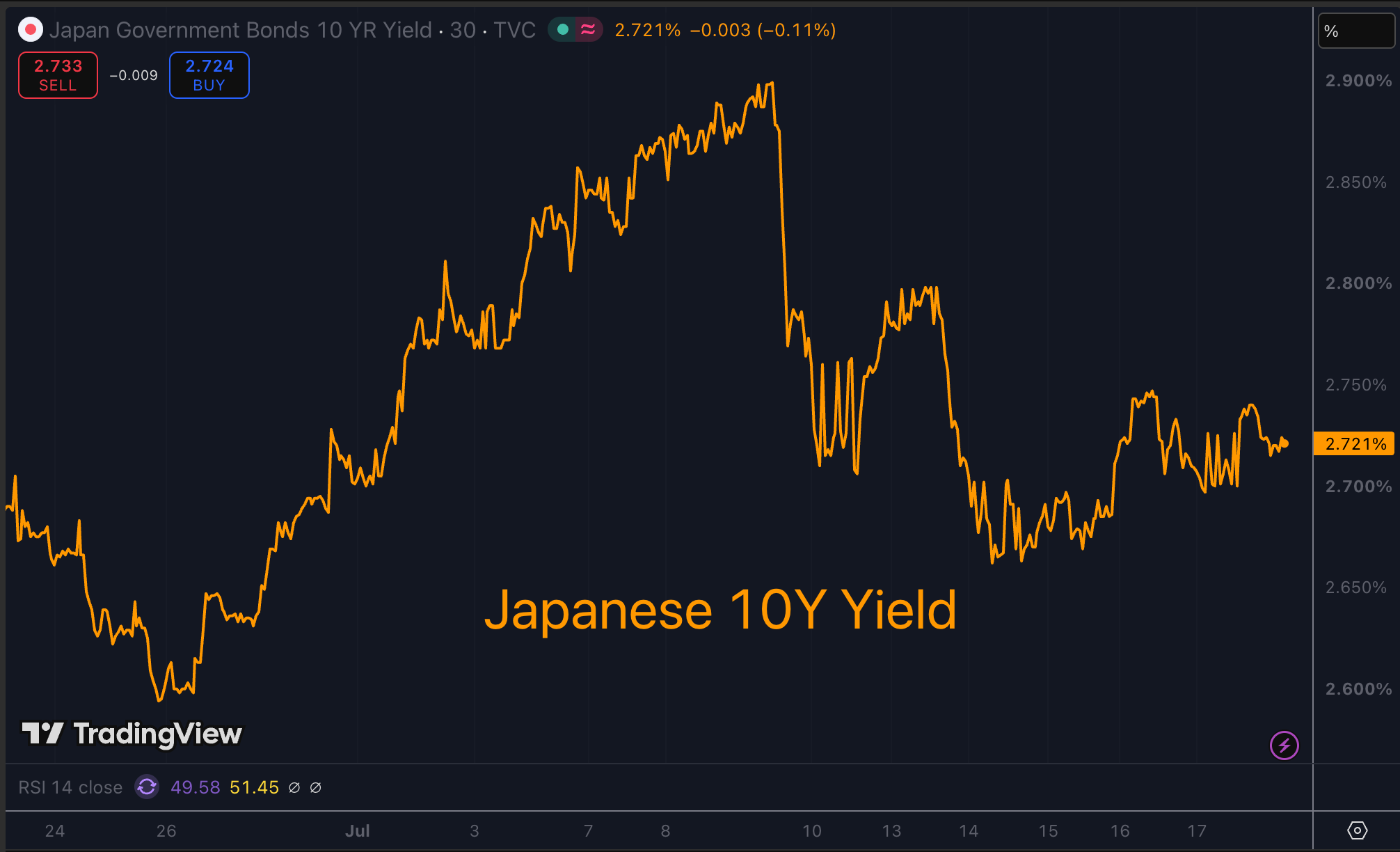
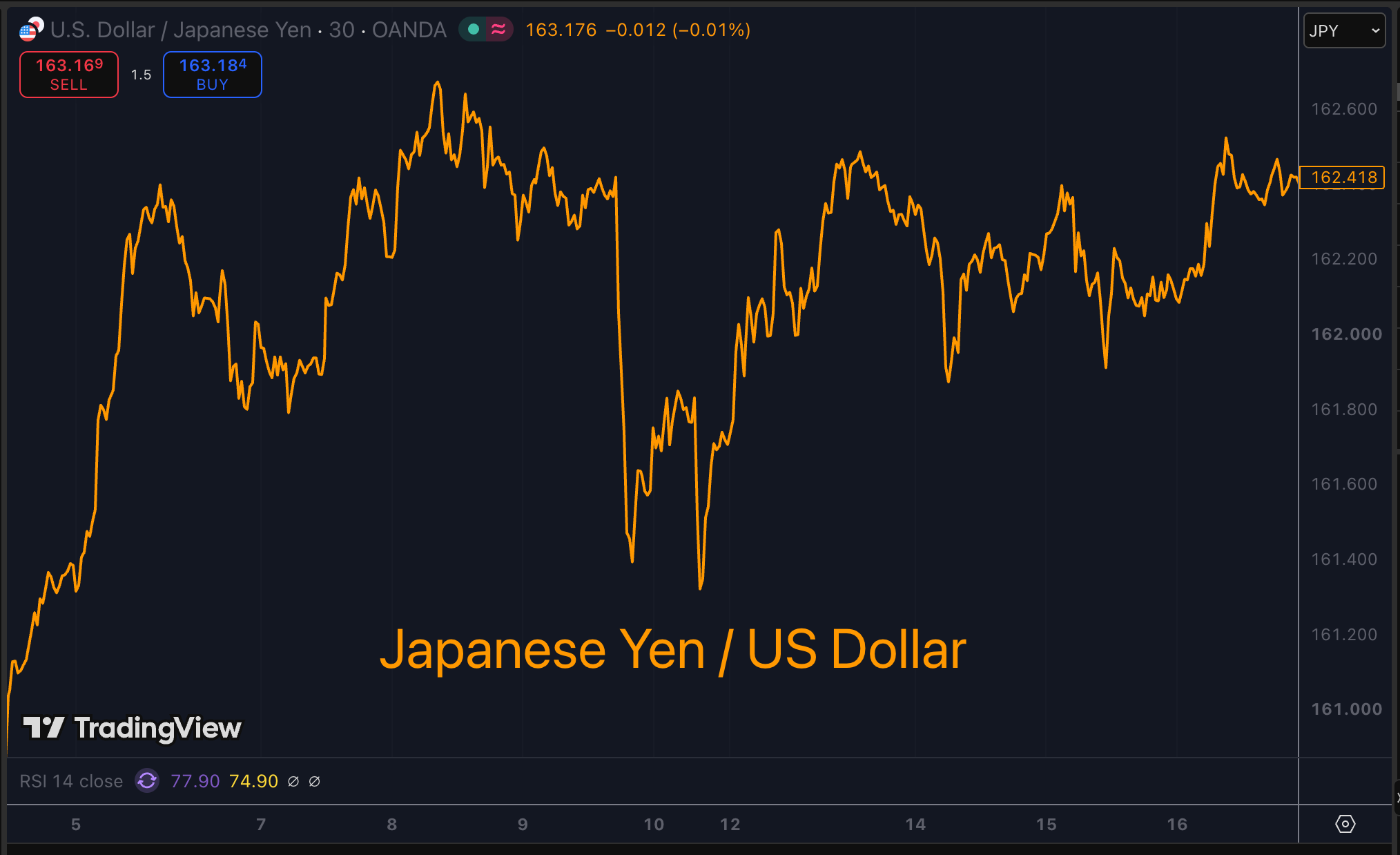
Satsuki Katayama didn’t announce a rate cut or intervention.
She said, more or less, that Tokyo would like pension funds, GPIF chief among them, to make what she called substantially greater investments in Japanese financial assets.
Everyone in that room understood exactly what it meant, though. The traditional buyers of Japanese government debt are running out of road, and the government just looked at the one enormous pool of domestic capital still standing on the sidelines and asked it, politely, to step onto the field.
It’s worth being precise about why yields got to 2.90% in the first place, because the government’s own fiscal program is doing a lot of the work.
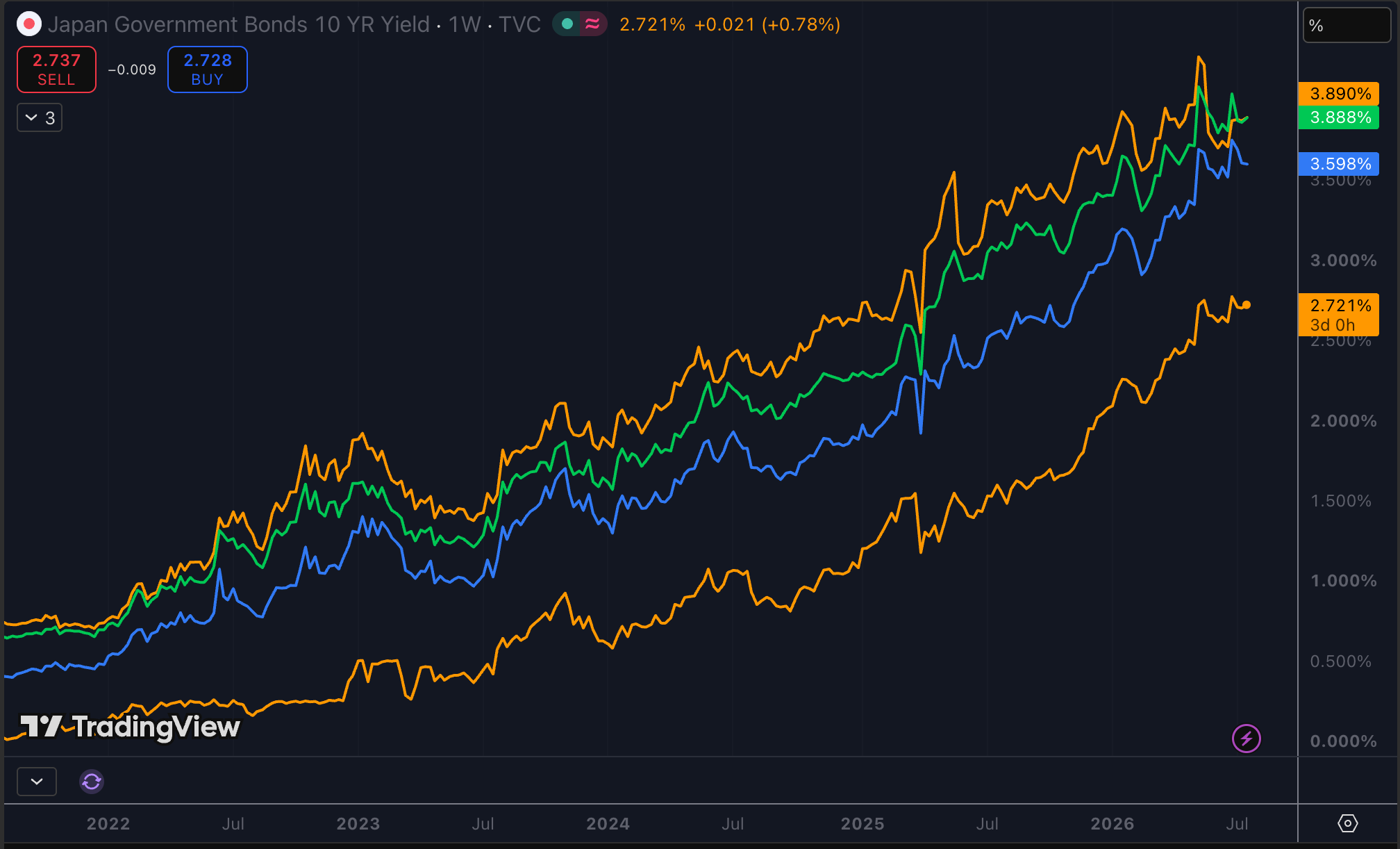
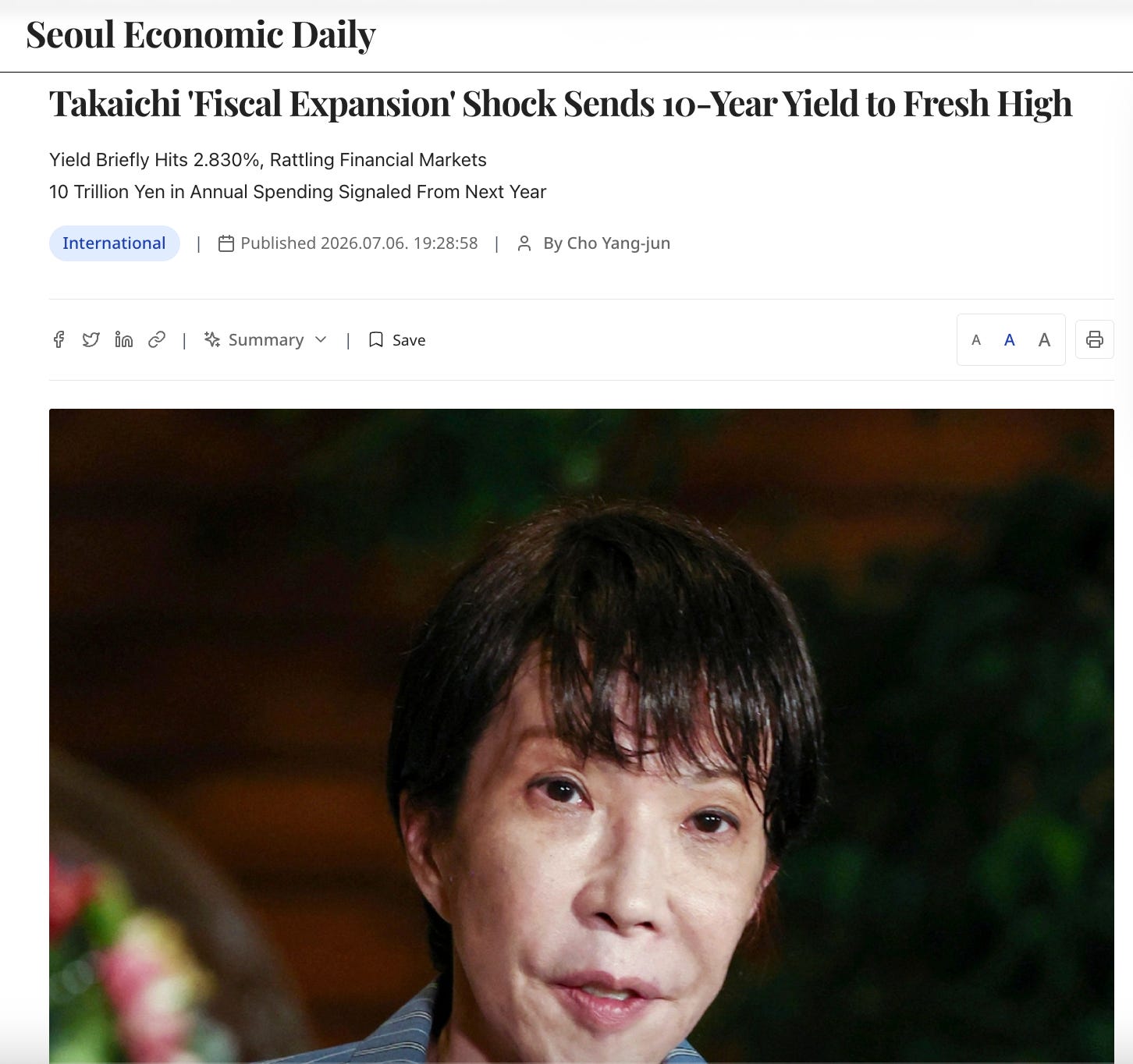
Takaichi took office on October 21st and by her first policy speech three days later she’d already named her target: prices, and the political pain they’re causing.
The gasoline tax cut came first, the abolition of a “temporary” levy that had survived for decades, worth about ¥25.1 per liter at the pump. Cheap theater compared to what followed.
By November 21st, her cabinet had signed off on a ¥21.3 trillion stimulus package, and buried inside it were the two things she could actually call tax cuts: the gasoline levy scrapped for good, and a reform of the so-called “1.03 million yen wall” that’s kept second earners from taking on more hours for a generation.
Combined, those cuts come to a little over ¥2 trillion. Everything else in that package, the child handouts, the electricity subsidies, the rice vouchers, is spending, and spending needs a name that doesn’t sound like spending, which is why “responsible and proactive fiscal policy” became the phrase of the season.
Three weeks later, the government had to go find the money. The supplementary budget enacted December 16th ran ¥18.3 trillion, the largest since the pandemic, financed in part by fresh bond issuance north of ¥11 trillion.
Ten days after that, the FY2026 budget landed at a record ¥122.3 trillion, with debt-servicing costs alone jumping to ¥31.3 trillion on an assumed rate not seen since 1997.
And still the bill kept growing: by May, the original contingency reserves meant to cushion energy price shocks had run dry, forcing another ¥3 trillion just to keep the fuel and utility subsidies alive. Today, that whole improvisation finally got a name and a permanent shape, the Honebuto framework, roughly ¥10 trillion a year, indefinitely.
What started in October as a gasoline tax cut has become, nine months later, a standing annual commitment nobody voted on directly. That’s how fiscal expansion works in a democracy: one emergency measure at a time, until the emergency becomes the baseline.
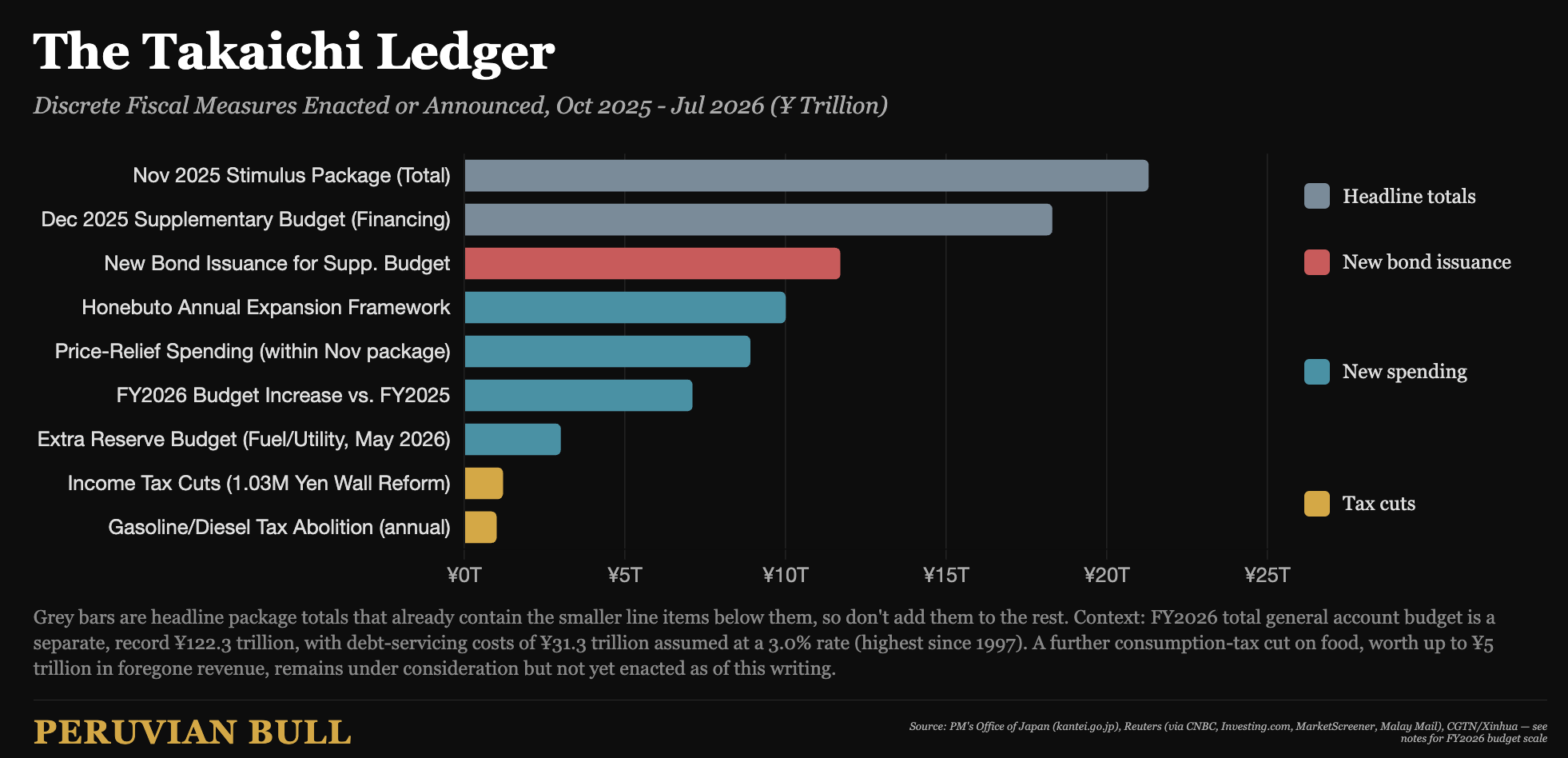
The administration has also been pushing a roughly 10-trillion-yen annual fiscal expansion, formalized under the so-called Honebuto policy framework, at the same time the language pledging fiscal consolidation was quietly stripped from earlier drafts.
Debt-servicing costs in the general account budget are already assumed at a 3.0% interest rate, the highest assumption in 29 years, pushing interest and redemption costs up double digits year over year. Takaichi has publicly denied any link between her spending plans and the bond market rout, which is ironic given how quickly the market is reacting to her statements.
For readers who’ve followed the Japan arc on this Substack, you already know how we got here.
The Bank of Japan spent a decade as the JGB market’s whale, buying without limit under Yield Curve Control, and has been quietly shedding that position for two years now, as I covered in Panic in Tokyo.
Life insurers, the traditional second buyer, are still drowning in unrealized losses on the long bonds they loaded up on when yields sat near zero, and as I wrote in that same piece, half of Japan’s ten biggest insurers have said they’re actively cutting exposure rather than adding to it. Foreign investors keep showing up in the trading data, but they’re net buyers on selloffs, not a durable source of demand; more of a hedge fund flipping dips than a structural holder.
So when the Ministry of Finance looks at who’s actually left to absorb roughly 40 trillion yen a year in fresh issuance, the answer keeps narrowing. In the most recent official holder breakdown, the Bank of Japan still holds the largest single share of outstanding JGBs and T-Bills at 46.3%, domestic institutions collectively (banks, insurers, pension funds, households) hold 41.8%, and foreign investors hold the rest, somewhere around 12%.
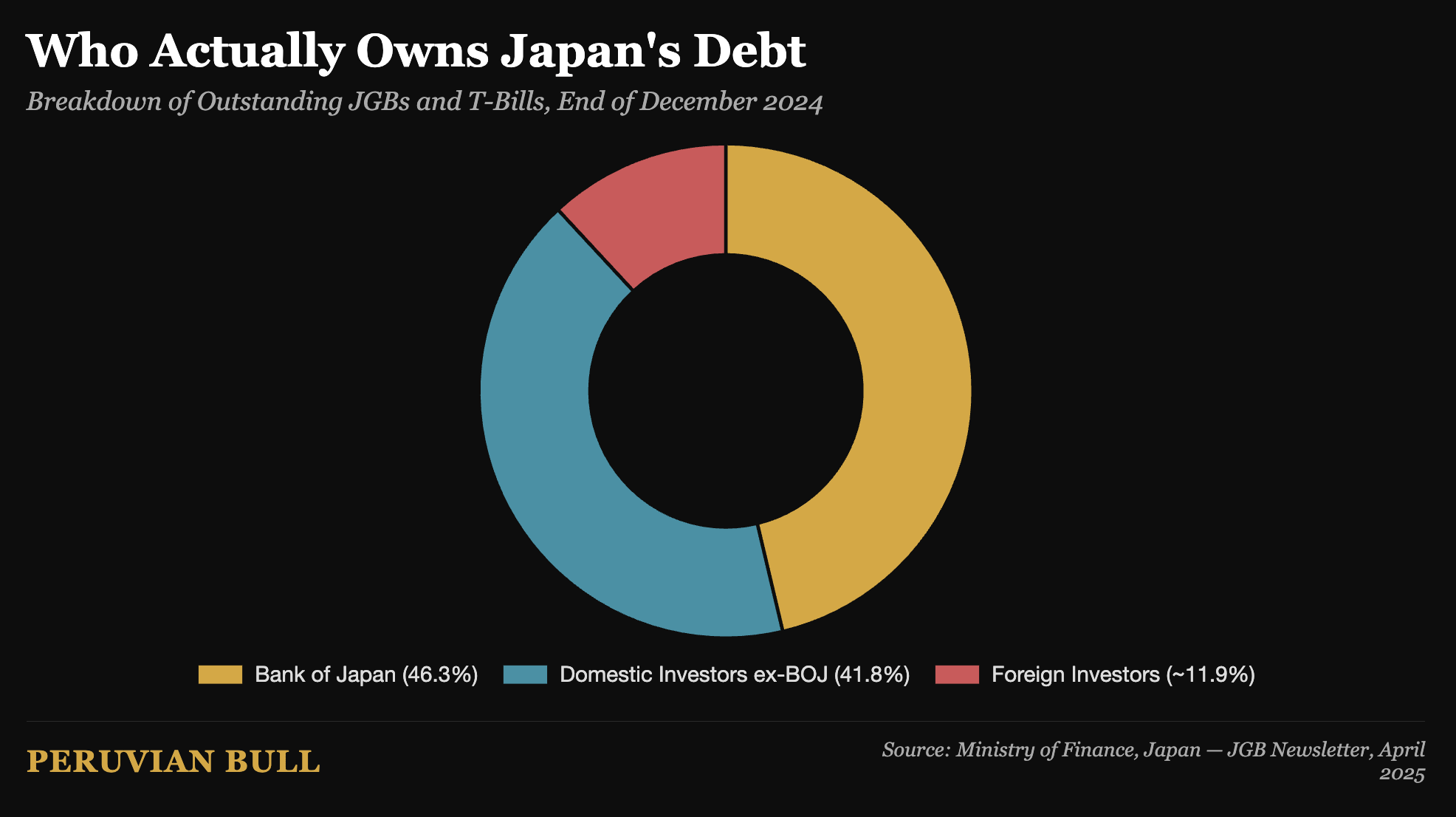
That domestic institutional bucket is where GPIF lives, and it’s a bucket that just got a very public tap on the shoulder.
GPIF isn’t a sovereign wealth fund in the way people usually mean that term.
It doesn’t exist to project state power abroad or juice a national investment portfolio. It exists to manage the reserve assets backing Japan’s public pension system on behalf of roughly 70 million current and future beneficiaries, under a mandate that legally answers to the Ministry of Health, Labour and Welfare, not the Ministry of Finance.
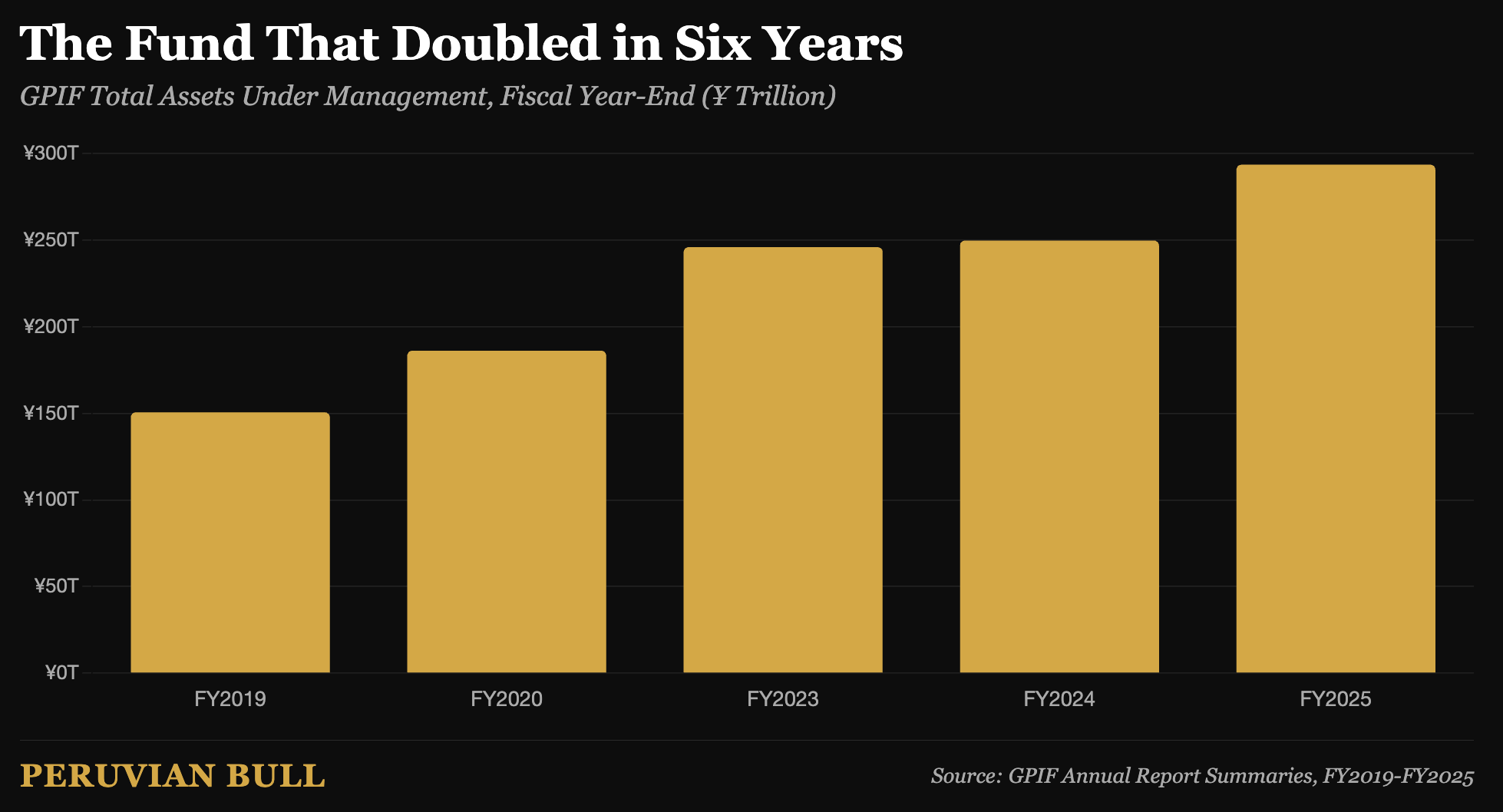
It happens to be enormous because Japan’s pension system is enormous: as of the end of March, GPIF managed 293.6 trillion yen, or roughly $1.8 trillion, making it the single largest pension pool on the planet, ahead of Norway’s sovereign wealth fund. That total has effectively doubled in six years; the fund managed 150.6 trillion yen at the end of fiscal 2019.
Of that $1.8 trillion, roughly $931 billion sits in foreign assets, including $232.1 billion in U.S. Treasuries alone. GPIF is, quietly, one of the largest single holders of American government debt on Earth.
A few outlets have reported that GPIF already executed a massive reallocation out of JGBs back in May, supposedly cutting the domestic bond target to 18%.
I went looking for a primary source on that and came up empty; it isn’t in GPIF’s own disclosures, it isn’t in Reuters’ coverage, and it isn’t in the Japanese financial press. Every corroborated report, including Reuters’ reporting from July 13 and GPIF’s own published portfolio documents, confirms the fund’s basic asset mix remains an even split: 25% domestic bonds, 25% foreign bonds, 25% domestic equities, 25% foreign equities, locked in for the current five-year plan running through March 2030.
And here’s what makes Katayama’s comment so strange in context: for the past eleven years, Japanese policy pushed GPIF as hard as it could in exactly the opposite direction from what she’s now encouraging.
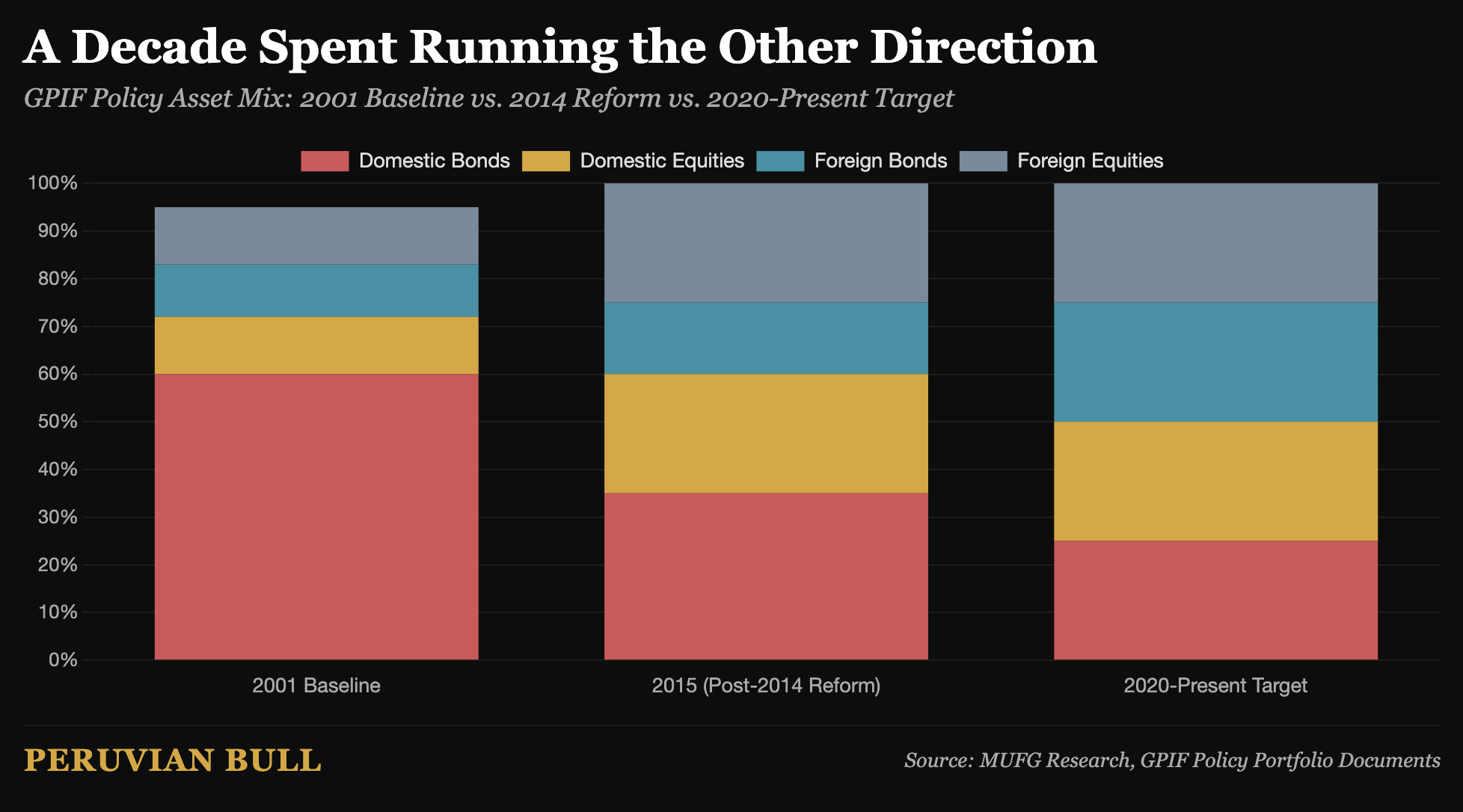
Go back to 2001, when GPIF started managing pension reserves in the open market. The fund ran close to 60% domestic bonds, with the rest split thinly across domestic equities, foreign bonds, and foreign equities.
That was the conservative, homebound posture you’d expect from a pension fund inside a deflationary, zero-rate economy.
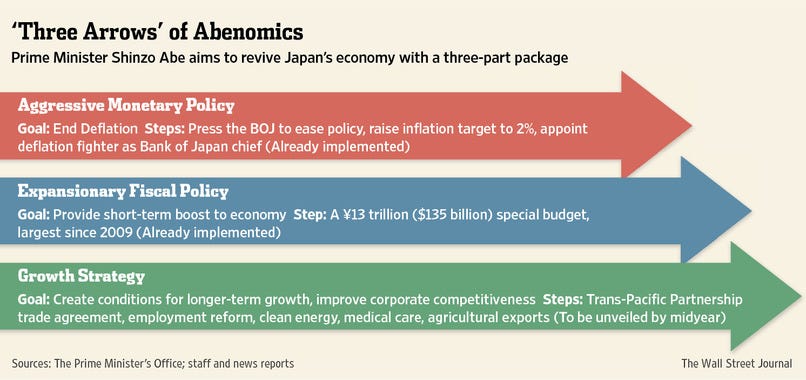
Then came Abenomics.
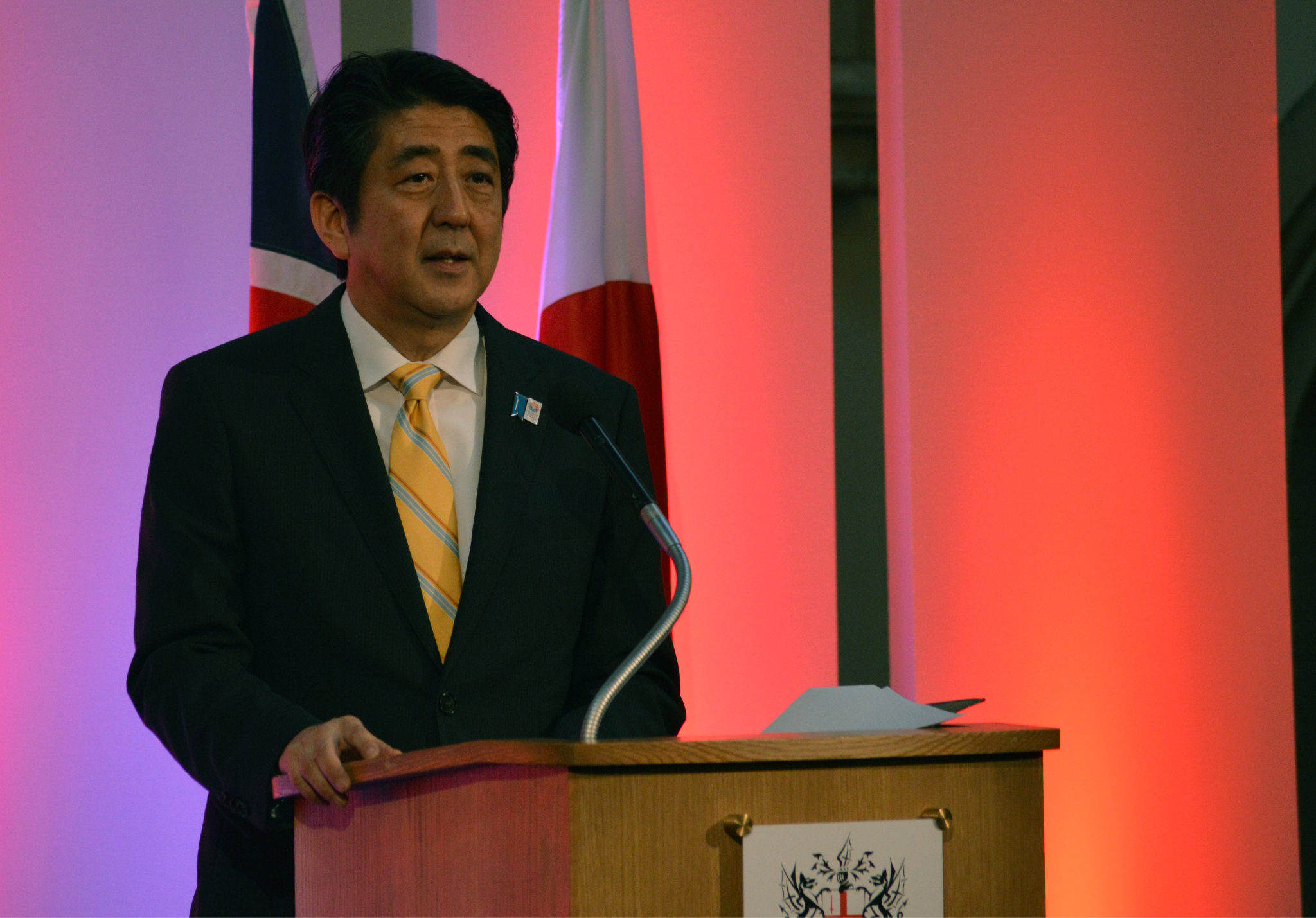
In October 2014, under a panel commissioned by Shinzo Abe’s cabinet, GPIF slashed its domestic bond allocation from 60% to 35%, while lifting domestic equities and foreign equities to 25% each and raising foreign bonds to 15%. The logic at the time was explicit: a portfolio drowning in low-yielding JGBs couldn’t generate the returns the pension system needed, and diversifying abroad was the fix. It was sold, correctly, as modernizing a fund that had been dangerously concentrated in one asset class, one currency, one country.
Then in 2020, GPIF went further still, cutting domestic bonds again to 25% and doubling foreign bonds to 25%, landing on the even 25/25/25/25 split that remains the fund’s official target today. Two consecutive reforms, both moving the same direction, both explicitly designed to shrink Japan’s largest pool of retirement savings’ exposure to its own government’s bonds.
Now, in 2026, with yields finally high enough to make JGBs look interesting again for the first time in a generation, the government is floating reversing more than a decade of its own reform.
And the hidden reason is because the bond market needs a buyer, and this is the largest pool of domestic capital left with a balance sheet that matters.
For the fiscal year ended March 31st, GPIF posted an investment gain of 41.4 trillion yen, or roughly $286 billion, the second-highest annual gain in the fund’s 25-year history, trailing only fiscal 2023.
Broken down by asset class: domestic equities contributed 20.46 trillion yen as the Nikkei 225 ripped 45% higher, foreign equities added 16.62 trillion yen, and foreign bonds kicked in another 8.04 trillion yen. Domestic bonds, the asset class Katayama wants more of, lost 3.72 trillion yen, as Bank of Japan rate hikes did exactly what rate hikes do to bond prices.
Read that again. In the single best year for GPIF’s portfolio since the pandemic-era rally of fiscal 2020, the only asset class that lost the fund money was the one the Finance Minister now wants a bigger allocation to. One pension analysis outlet put it dryly after the announcement: a record year for the foreign-heavy portfolio hardly makes a strong case for shifting weight back into the one bucket that just underperformed every other bucket in the fund.
This isn’t a one-year fluke, either. GPIF publishes its full 25-year return history every quarter, and it tells a story of a fund that’s been genuinely volatile since it started diversifying away from JGBs: down 7.57% in the 2008 crash, up 25.15% in fiscal 2020, up 22.67% in fiscal 2023, up 15.83% in the fiscal year that just closed.
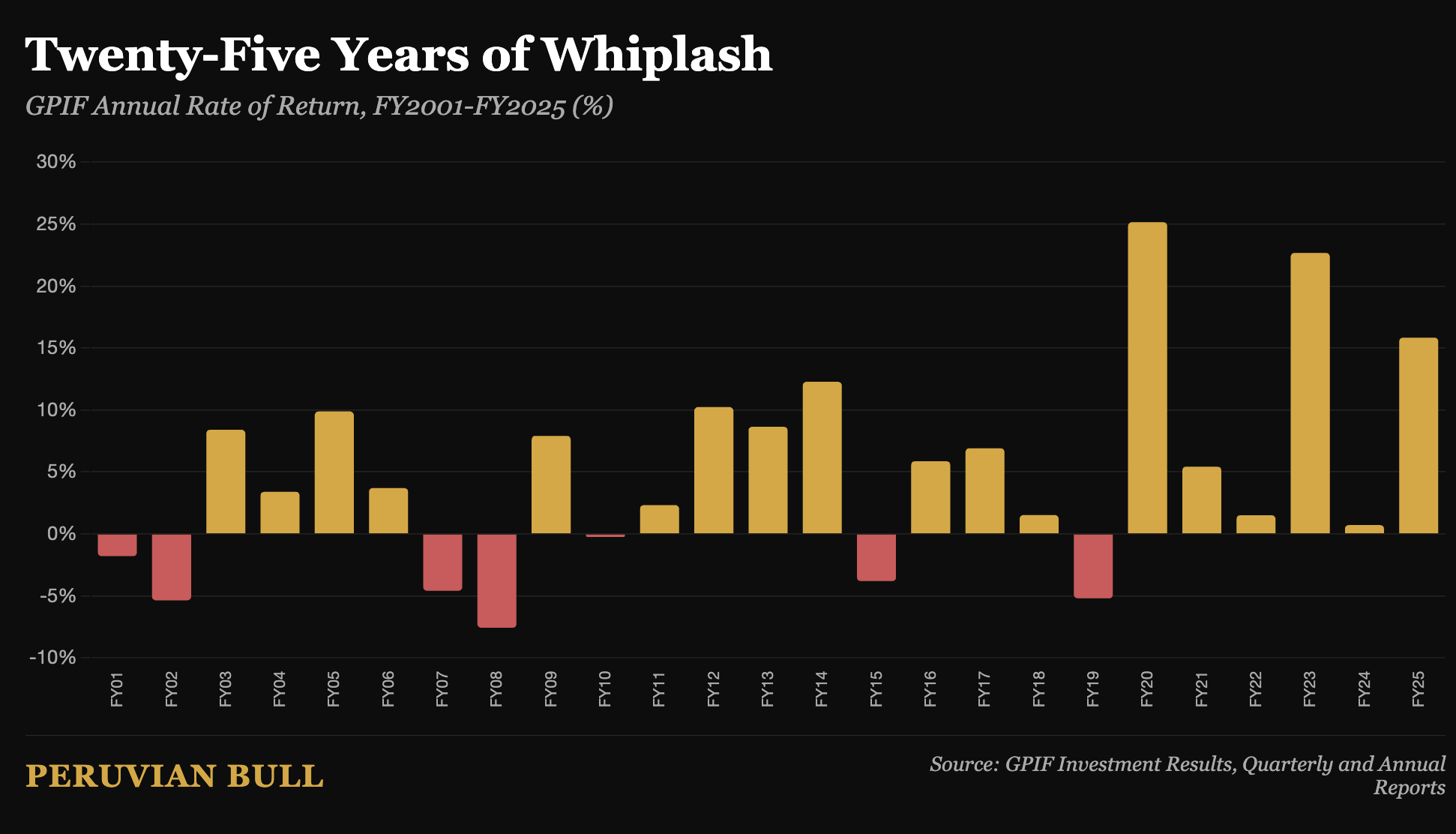
That volatility is the price the fund paid for the higher long-run returns diversification bought it, and it’s a price that’s clearly worked; cumulative investment gains since 2001 now sit north of 196 trillion yen.
Asking the fund to lean back into its lowest-returning, currently loss-making asset class, at the exact moment fiscal expansion is what’s pushing yields higher in the first place, isn’t a portfolio decision. It’s a bailout wearing a costume.
But this is where the story gets genuinely awkward, and it’s the part most of the wire coverage glossed over.
GPIF doesn’t report to Katayama.

It reports to the Ministry of Health, Labour and Welfare, which sets the fund’s investment mandate under a legal standard requiring GPIF to pursue the returns the pension system needs at the minimum necessary risk, for the sole benefit of beneficiaries. The Finance Minister has no formal authority over the fund’s asset allocation at all.
Which makes her comment, strictly speaking, public pressure on an institution she doesn’t control, aimed at solving a bond market problem her own ministry’s issuance schedule helped create.
GPIF’s spokesperson answered the remarks with the kind of pointed non-answer that says more than a denial would: the current portfolio was built to hit long-term return targets set by the welfare minister, and the fund reviews that portfolio on its own schedule, thank you very much.
Katayama, for her part, has been careful to say she respects the fund’s operational independence even while publicly leaning on it to change course, which is a fairly elegant modern trick: you can pressure an institution in front of every trading desk in Tokyo and still technically claim you never told it what to do.
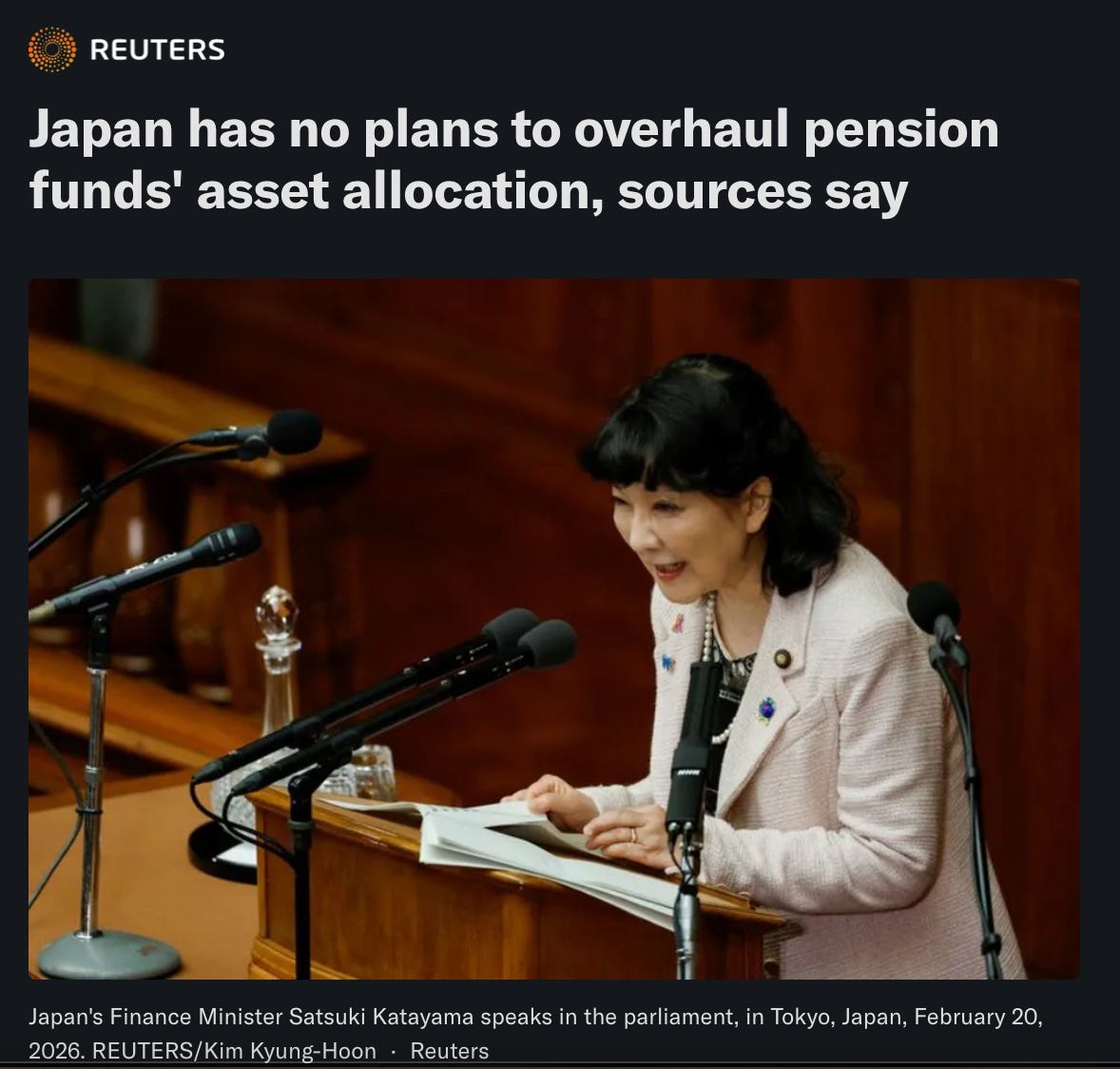
Three days after her original comment, Reuters reported that government officials were already walking the story back, saying there were no immediate plans to change GPIF’s target allocation, and that any shift would have to happen inside the existing plus-or-minus 6% deviation band already permitted around the 25% domestic bond weighting.
That band is worth trillions of yen in either direction on a fund this size, a real lever even without touching the formal target, but a much smaller one than the initial headline implied. The yen gave back some of its gain within days, drifting back toward 162.35 against the dollar.
One market participant, quoted by Reuters in the aftermath, put it about as honestly as anyone in an official capacity is going to: not sure this is a silver bullet, but it could help stabilize sentiment.
Katayama used the same appearance to flag plans to expand JGB products marketed directly to households, which tells you the government isn’t betting on GPIF alone. Retail investors currently hold under 5% of the total JGB and T-Bill float, an almost trivial share for a bond market this size, and building that out is a multi-year project at best.
GPIF is the fast lever. Retail bonds are the slow one. Both point at the same underlying problem: Japan needs new domestic hands willing to hold its debt, because the old ones (the BOJ, the life insurers, in some years the foreigners) are all pulling back at once, for reasons that have nothing to do with each other and everything to do with the same rising yield curve.
Japan isn’t alone in treating its national pension fund as a market stabilization tool rather than a pure fiduciary vehicle, and it’s worth a quick detour to South Korea to see the mirror image of the same problem.
The National Pension Service raised its 2026 domestic equity target from 14.9% to 20.8% at the end of May, but for the opposite reason Japan is now leaning on GPIF.
Korea’s stock market ripped so hard this year, on a semiconductor and AI-driven Kospi rally, that NPS found itself sitting on a domestic equity position roughly nine percentage points above its old target, staring down the prospect of dumping upward of 200 trillion won of winning positions just to stay inside its own rebalancing bands.
Seoul solved that by moving the target to meet the market, rather than forcing the market to meet the target.
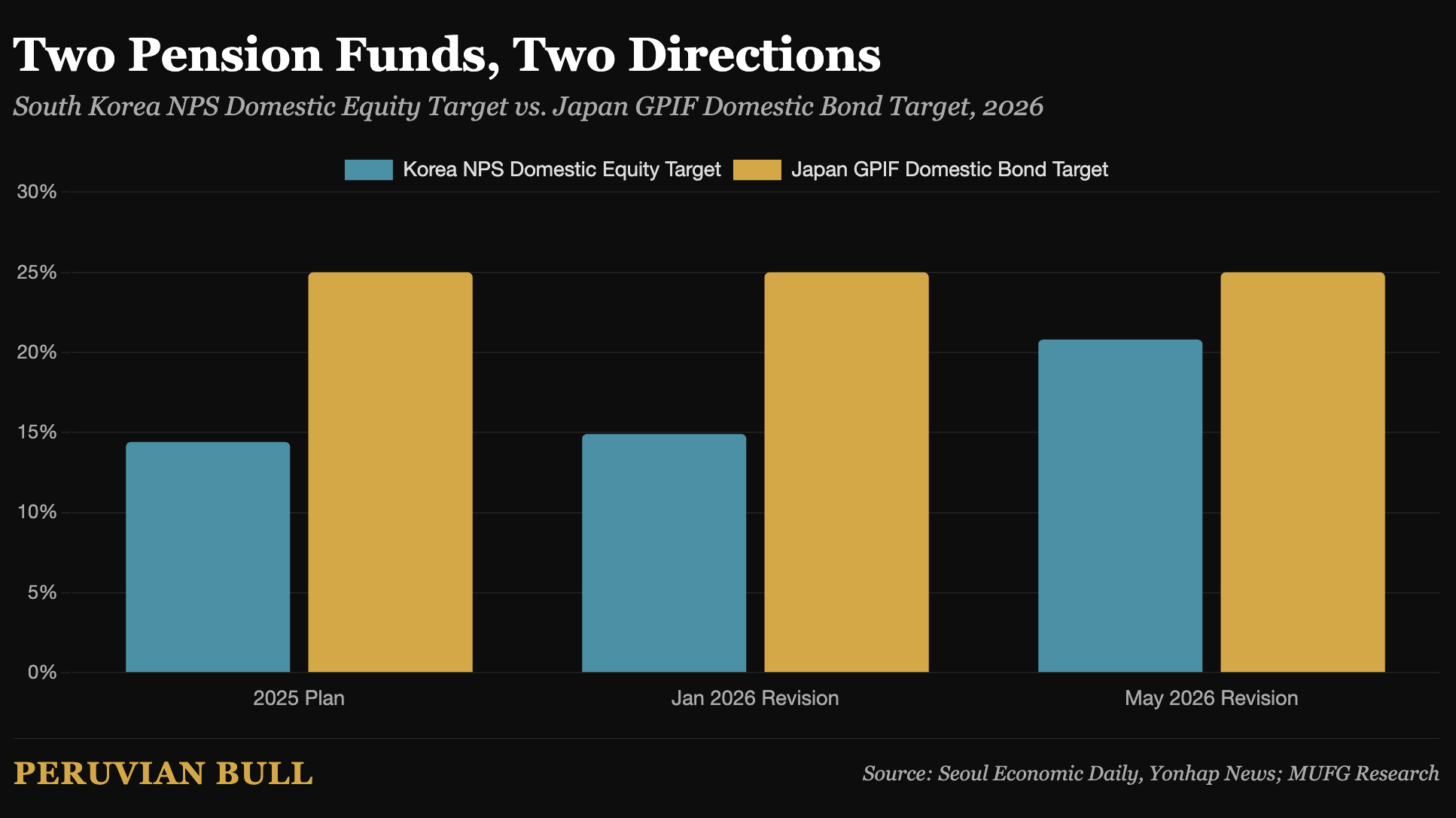
Japan has the inverse problem. Its pension fund is underweight a losing asset class the government needs buyers for, not overweight a winning one it needs to trim.
The Bank of Japan can keep retreating and life insurers can keep de-risking.
An excellent piece Peruvian Bull. Thank you. It coherently outlines the vast array of challenges facing Japan moving forwards.