
Choking the Strait
The largest oil supply disruption in history is rewriting the energy map. Here are the companies collecting the windfall.

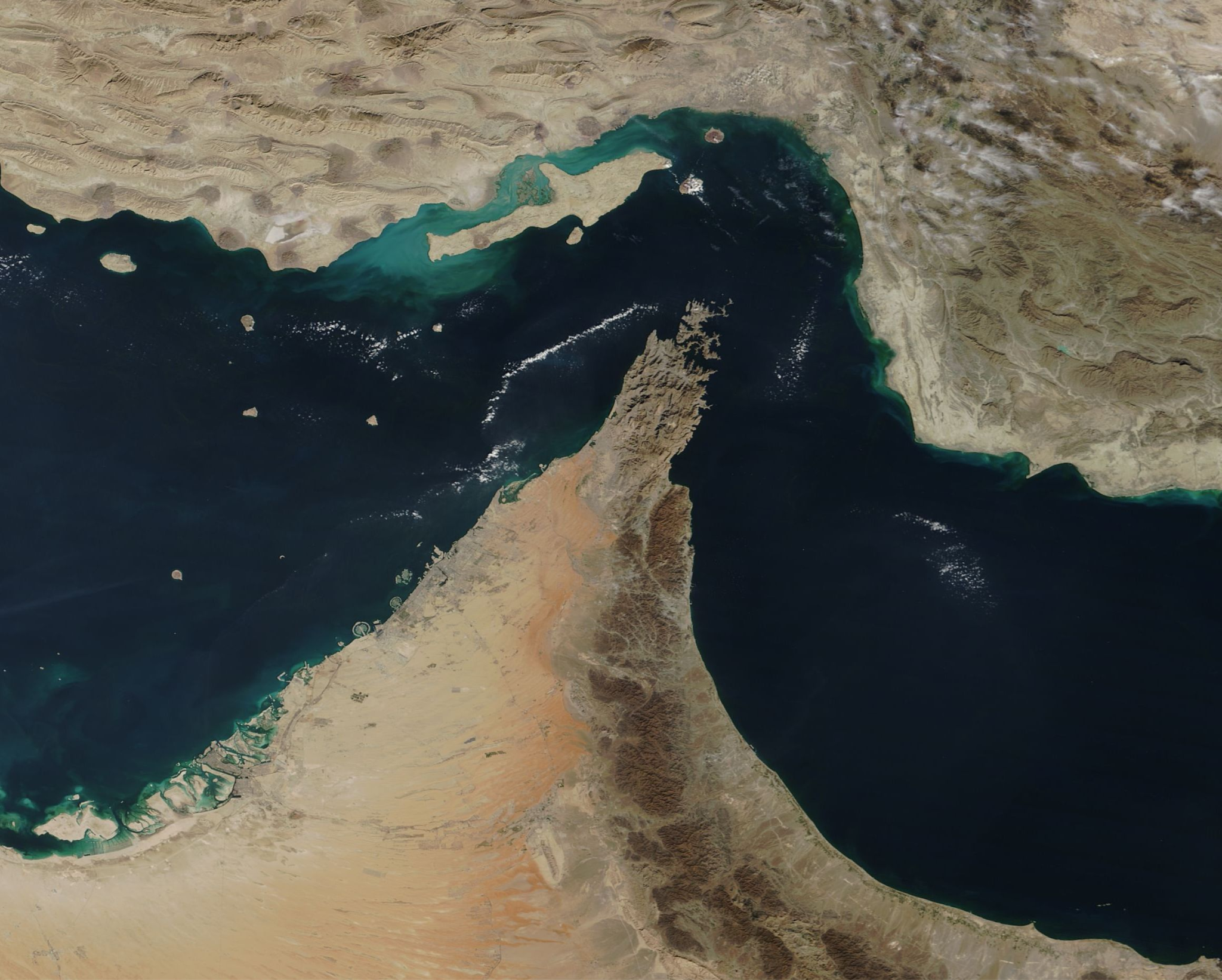
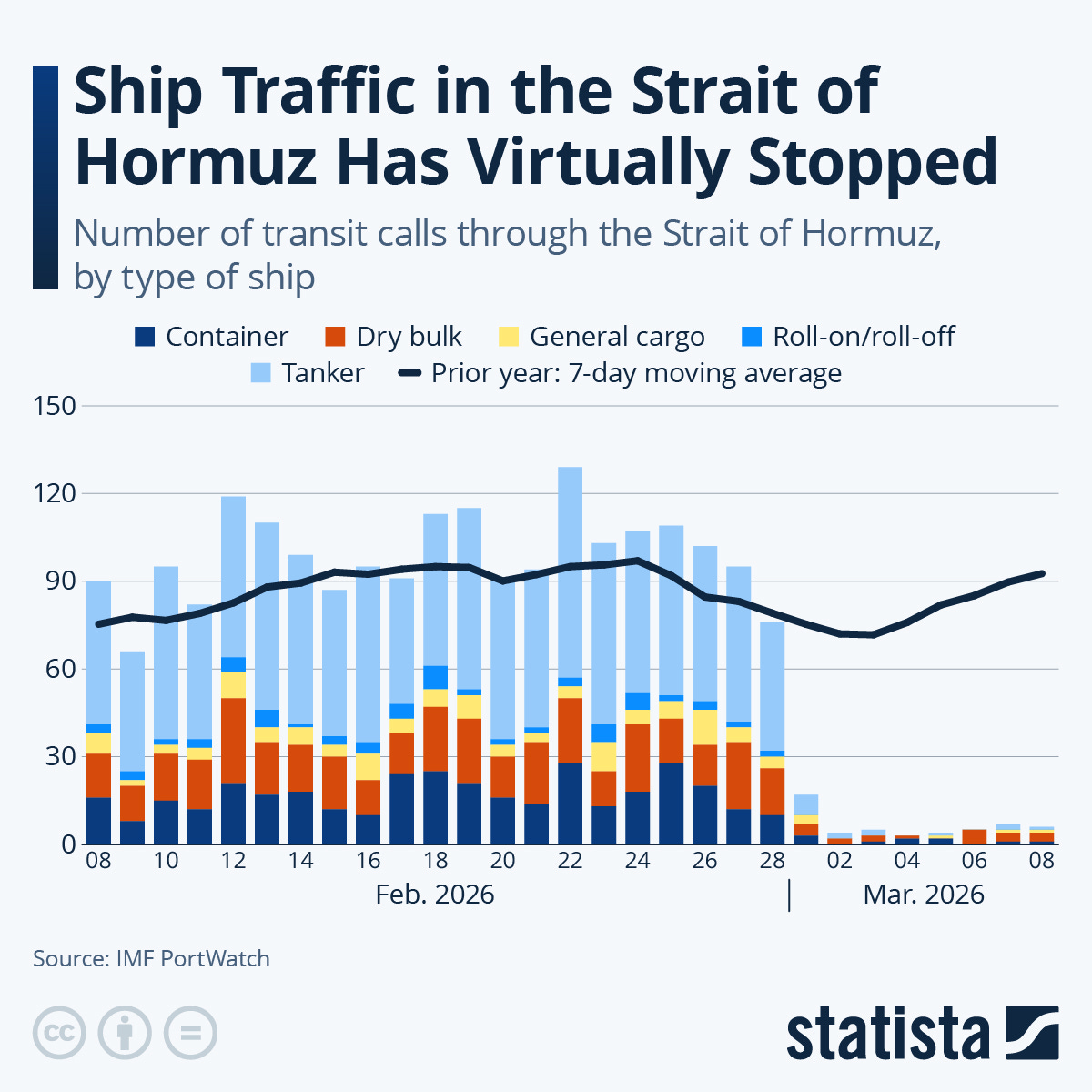
The Strait of Hormuz, a 21 mile wide passage between Iran and Oman that normally sees over 100 ships transit per day, is currently seeing fewer than one. Iran accomplished this without a single submarine deployment, without mines, without even a proper naval blockade: all it took was a handful of cheap drone strikes in the vicinity of the waterway, and the insurers pulled coverage.
Once the insurers pulled coverage, the shipping companies stopped sending tankers. Once the tankers stopped, roughly 20% of global oil and 20% of global LNG supply effectively went offline. Helima Croft, global head of commodity strategy at RBC Capital Markets, called it “the biggest energy crisis since the oil embargo in the 1970s,” and the IEA went further, describing it as “the greatest global energy and food security challenge in history.”
For readers of this Substack, you will be familiar with the fragility of global supply chains I’ve covered extensively over the past few years: the interconnectedness of energy, monetary policy, and sovereign debt that forms the backbone of the Dollar Endgame thesis. What’s happening in the Persian Gulf right now is a live stress test of all those systems simultaneously, and frankly, the systems are failing.
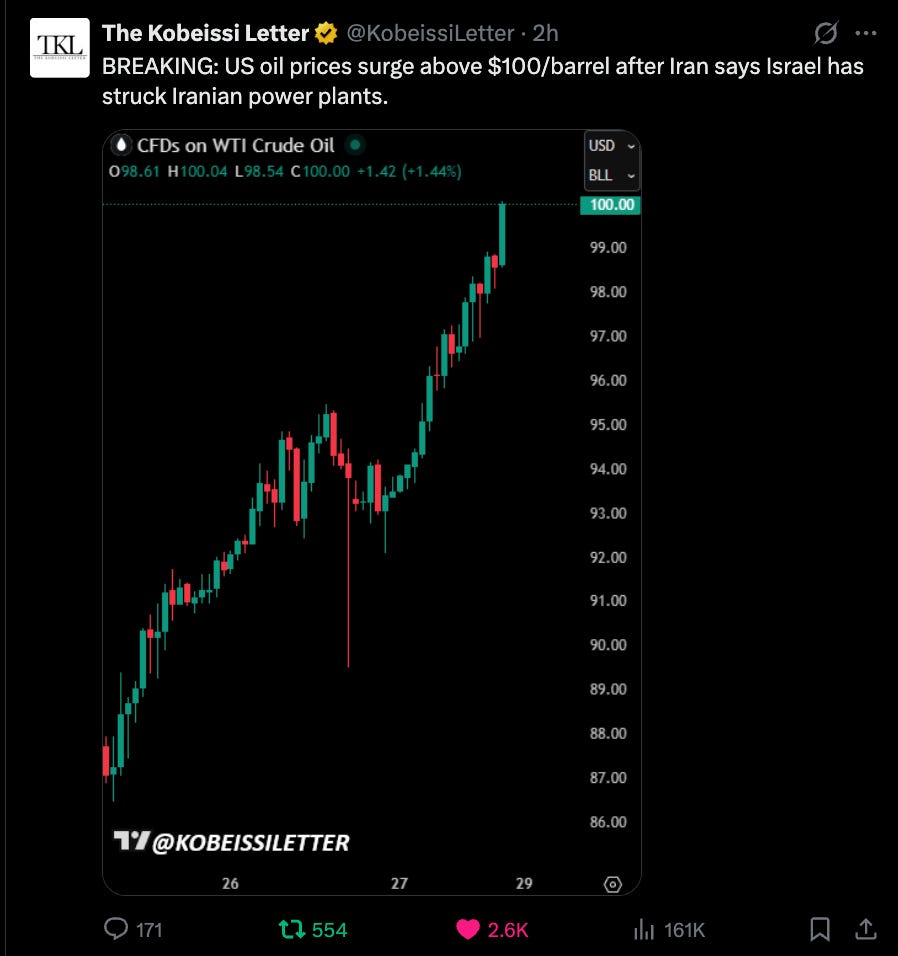
Brent crude ripped past $120 a barrel in the first week of the conflict before pulling back on talk of peace negotiations. Today it climbed back above $100, elevated but off the highs after the New York Times and Reuters reported that the Trump administration sent Iran a 15 point plan to end the war. Iran rejected the proposal.
Trump says they’re “talking sense,” but Tehran denies direct talks are happening. And the first public statement from Iran’s new Supreme Leader, Ayatollah Mojtaba Khamenei, proclaimed that “the lever of closing the Strait of Hormuz must continue to be used.” Not exactly the language of a regime looking for a quick off ramp.
SPONSOR:
Bitcoin is freedom money, but only if you control your keys.
Partnering with Bitcoin Well, the world’s first publicly traded non-custodial Bitcoin company, ensures this freedom.
They send Bitcoin directly and instantly to your wallet.
No middlemen. No permission needed. Whether you’re stacking sats or making large moves via their OTC desk (Infinite by Bitcoin Well), you remain in control. Self-custody is essential.
Ready to buy Bitcoin the way it was intended? Head to bitcoinwell.com and enable your independence. Use this link https://app.bitcoinwell.com/signup?referral=peruvianbull to sign up and start stacking today!
Now let’s get back to it!
Goldman’s base case still assumes the Strait normalizes over four weeks in April. I’m far less optimistic. Iraq has already shut down 70% of its Basra oil production because it literally has nowhere to put the crude; Saudi Arabia has shuttered its largest refinery at Ras Tanura (550,000 bpd); QatarEnergy has declared force majeure on all exports. Even if a ceasefire were announced tomorrow, the physical damage to infrastructure across the Gulf means we’re months away from anything resembling pre war flows.
So instead of hoping for the best, I’m going to walk through the three layers of this energy disruption and the specific companies positioned to profit from each one.
(I got this idea from the bottleneck AI trade substack article shared earlier this year- that piece was inspired by a couple viral finance tweets on the subject)
