
Fool’s Gold
The exact crisis goldbugs have been waiting for is here. So why are precious metals getting destroyed?

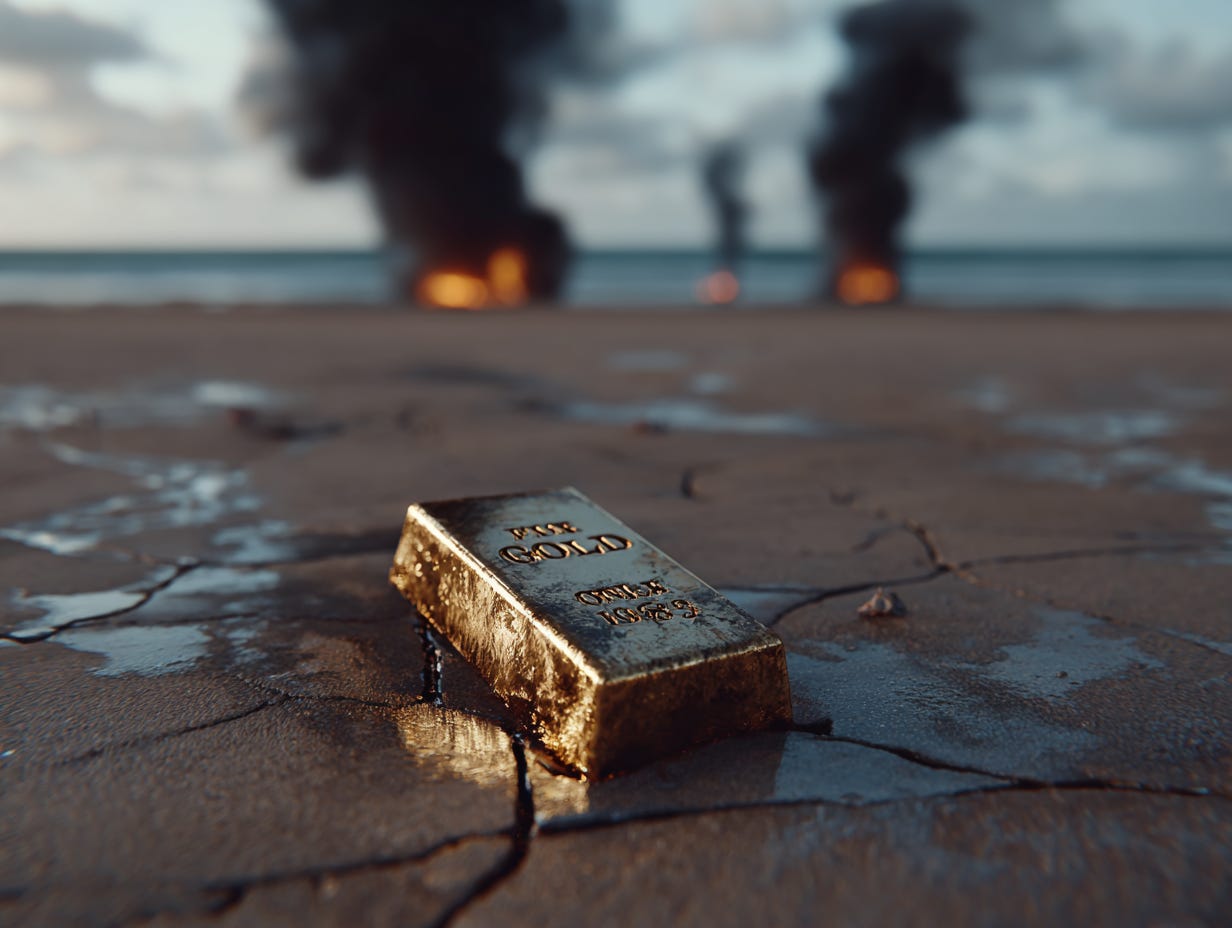
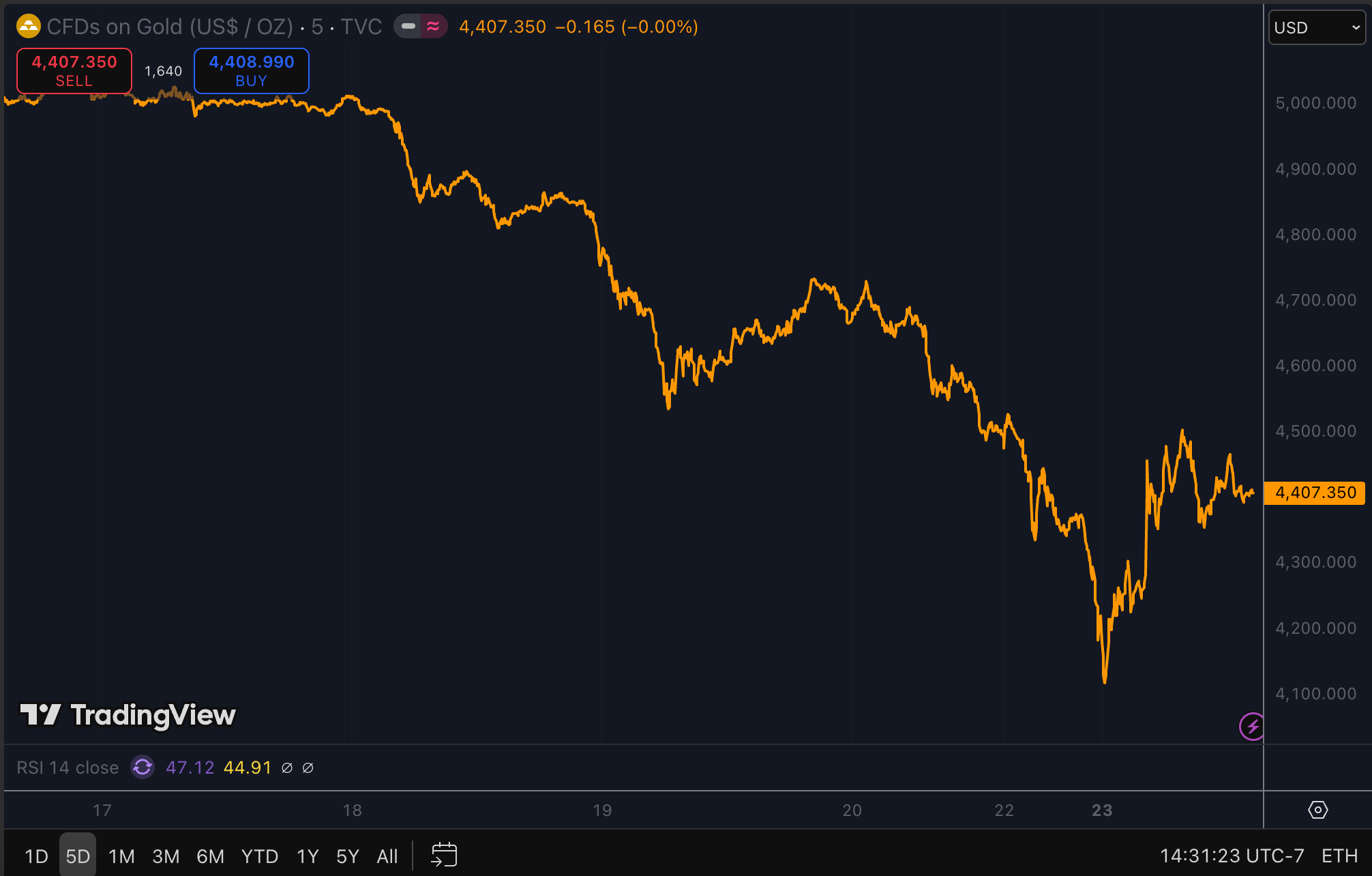
Gold just recorded its worst week in 43 years. Down nearly 20% in March, from a record high of $5,589 to $4,407 as of this morning. Silver, which was trading above $121 in January, has been cut almost in half: $69 per ounce, its lowest since late December.
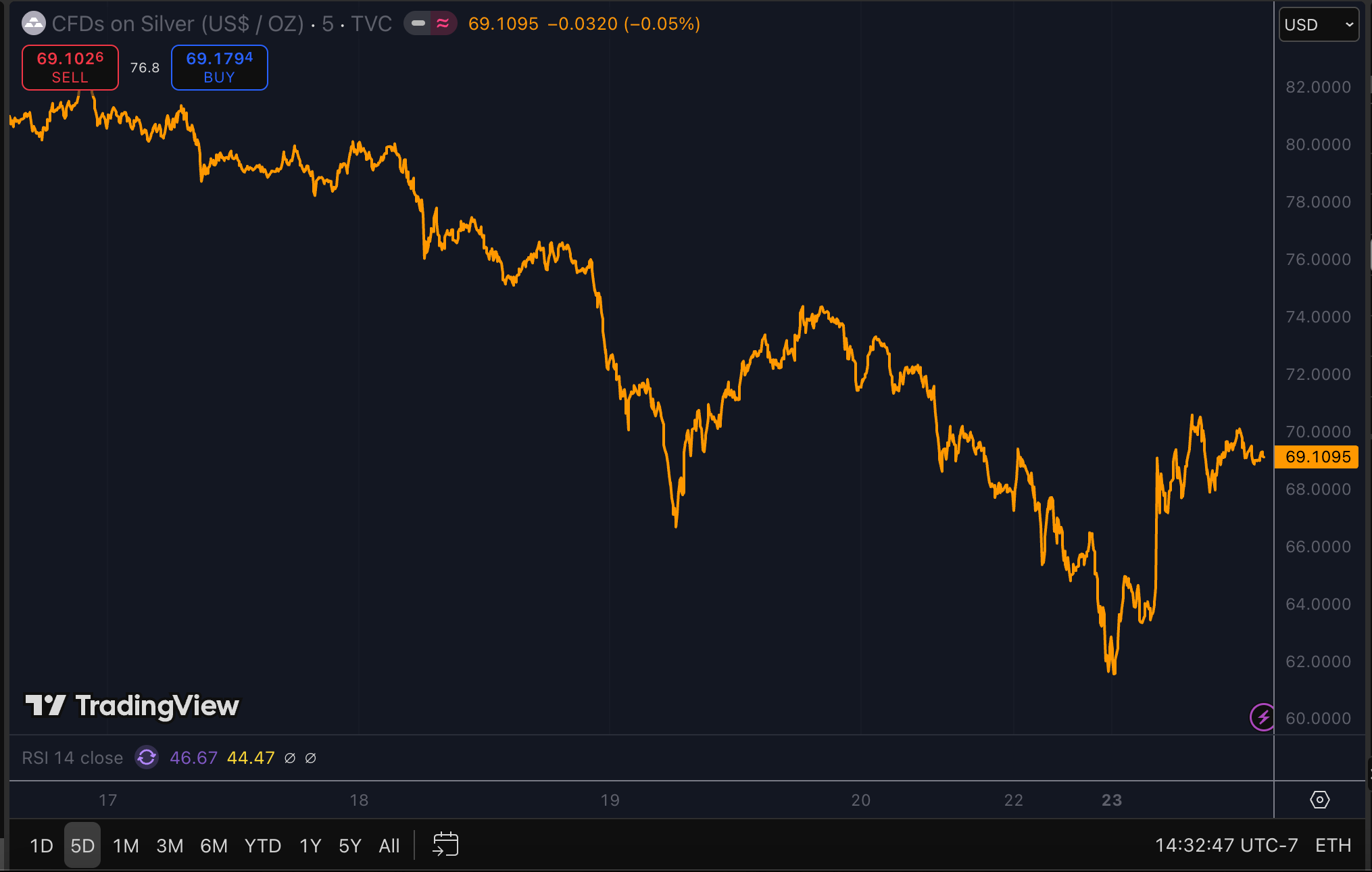
The SPDR Gold Trust (GLD) has hemorrhaged over $6 billion in outflows in the past three weeks alone; a single day on March 4th saw $2.91 billion exit the fund, the largest withdrawal since 2016. The iShares Silver Trust traded at a rare discount to its net asset value. The ProShares Ultra Silver ETF shed 20% in a single premarket session.
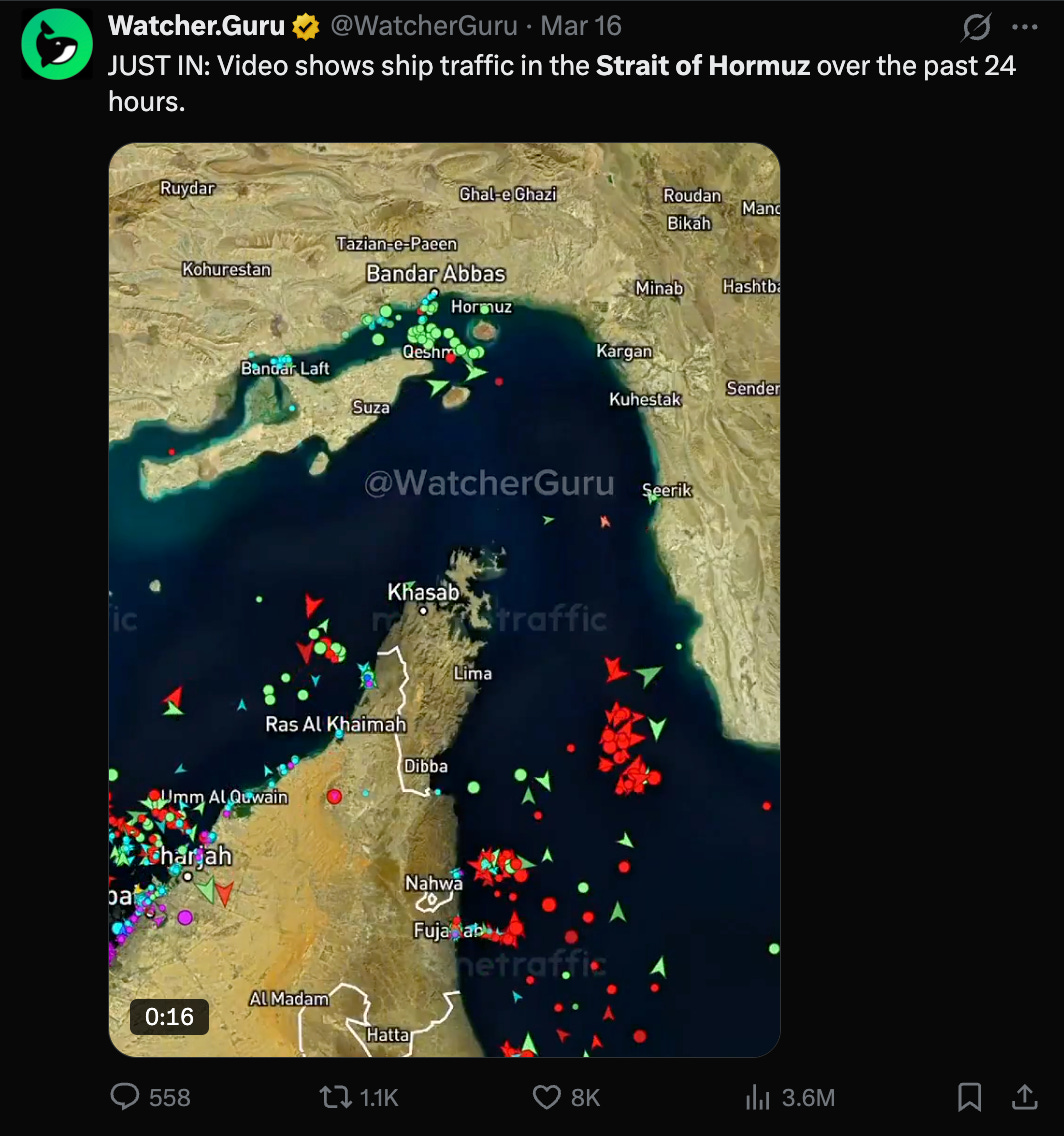
And what’s the macro backdrop for this carnage? A shooting war in the Persian Gulf that has effectively closed the Strait of Hormuz, through which 20% of the world’s crude passes, for the first time since it became the artery of the global energy system.
This is the scenario. The one gold and silver investors have been preparing for, the one they’ve been told would send metals to the moon.
And instead, they’re getting obliterated.
Mainstream outlets are blaming gold for “losing its safe haven status.” That’s lazy. The war is breaking markets in ways almost nobody predicted, and the cascading second-order effects are crushing everything in their path: including the metals.
SPONSOR:
Bitcoin is freedom money, but only if you control your keys.
Partnering with Bitcoin Well, the world’s first publicly traded non-custodial Bitcoin company, ensures this freedom.
They send Bitcoin directly and instantly to your wallet.
No middlemen. No permission needed. Whether you’re stacking sats or making large moves via their OTC desk (Infinite by Bitcoin Well), you remain in control. Self-custody is essential.

Ready to buy Bitcoin the way it was intended? Head to bitcoinwell.com and enable your independence. Use this link https://app.bitcoinwell.com/signup?referral=peruvianbull to sign up and start stacking today!
Now let’s get back to it!
On February 28th, the United States and Israel launched Operation Epic Fury, a coordinated strike campaign against Iran that killed Supreme Leader Ali Khamenei and targeted nuclear facilities, missile sites, and command infrastructure across the country. The stated goal was to dismantle Iran’s offensive capabilities. What has actually happened in the 24 days since is something very different.
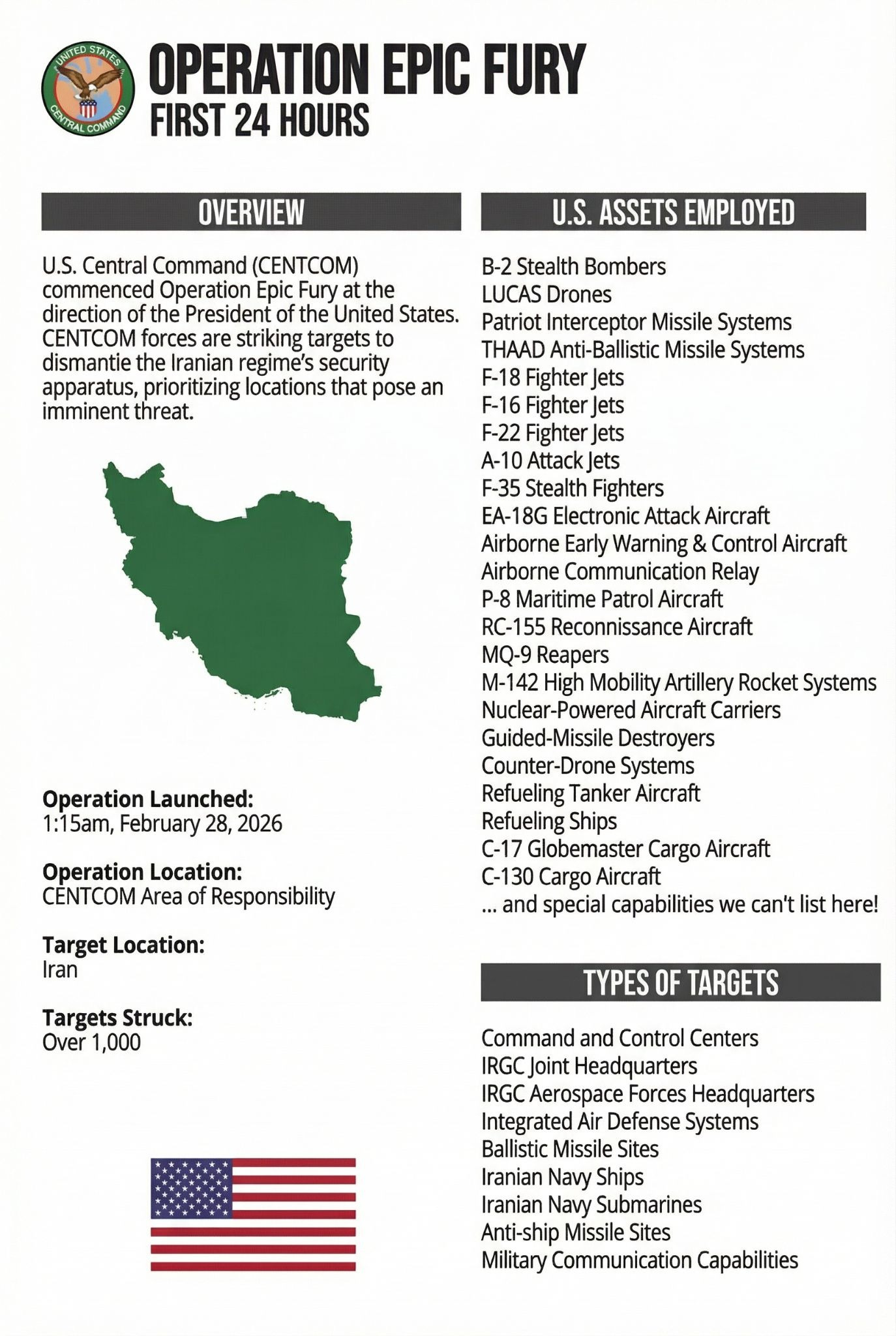
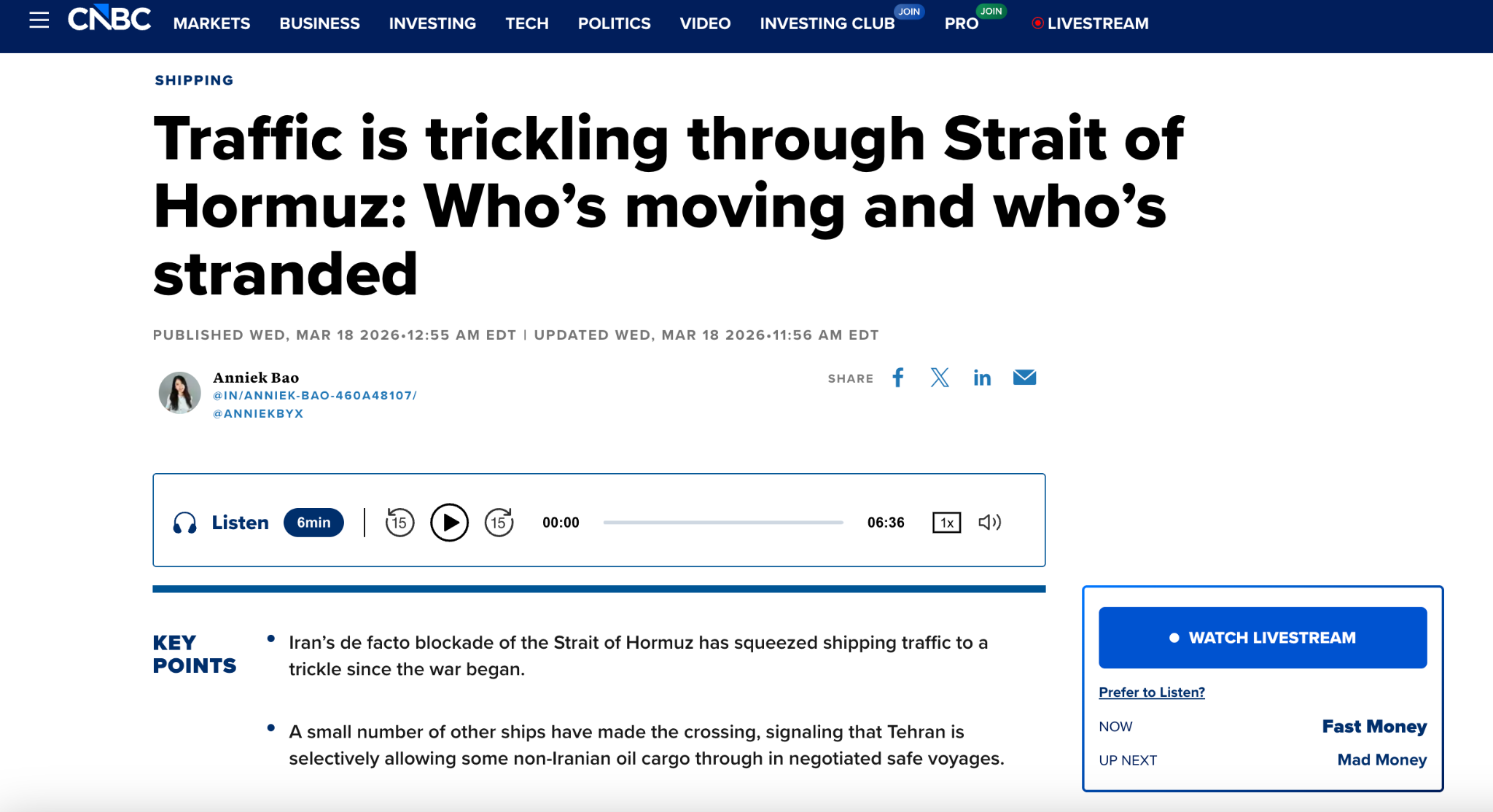
Iran didn’t try to win the air war. Instead, Tehran went after what it knew would actually hurt: the Strait of Hormuz and the energy infrastructure of America’s Gulf allies. The IRGC declared the Strait closed on March 2nd, and then proved they meant it.
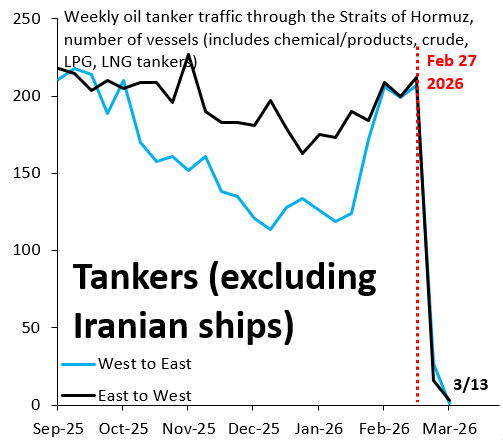
Ten vessels in or near the Strait were attacked in the first two weeks, killing at least seven seafarers. War-risk insurance through the strait became prohibitive; Maersk, CMA CGM, and Hapag-Lloyd all suspended transits. Tanker traffic through the strait plummeted 95%, from an average of 24 vessels per day to a trickle of mostly Iranian-flagged ships.
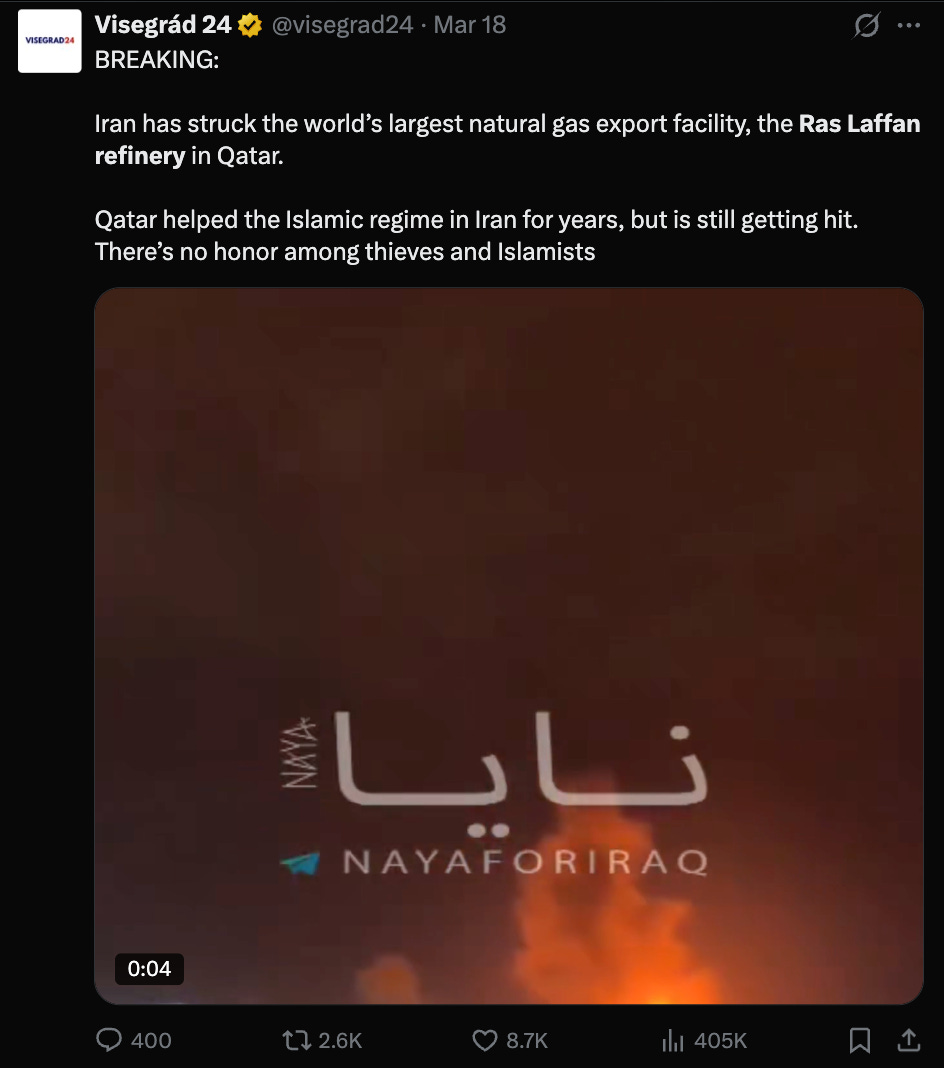
Then the strikes on America’s allies started. Iranian drones hit Kuwait’s Mina Al-Ahmadi oil refinery, one of the Middle East’s largest, capable of processing 730,000 barrels per day.

Missiles struck Qatar’s Ras Laffan Industrial City, which produces 20% of the world’s LNG supply; QatarEnergy reported “extensive damage” that will take years to repair. Bahrain’s defense forces have intercepted and destroyed 143 missiles and 242 drones since the war began. Saudi Arabia’s military shot down 47 drones in a single engagement, including a barrage of 38 within three hours.
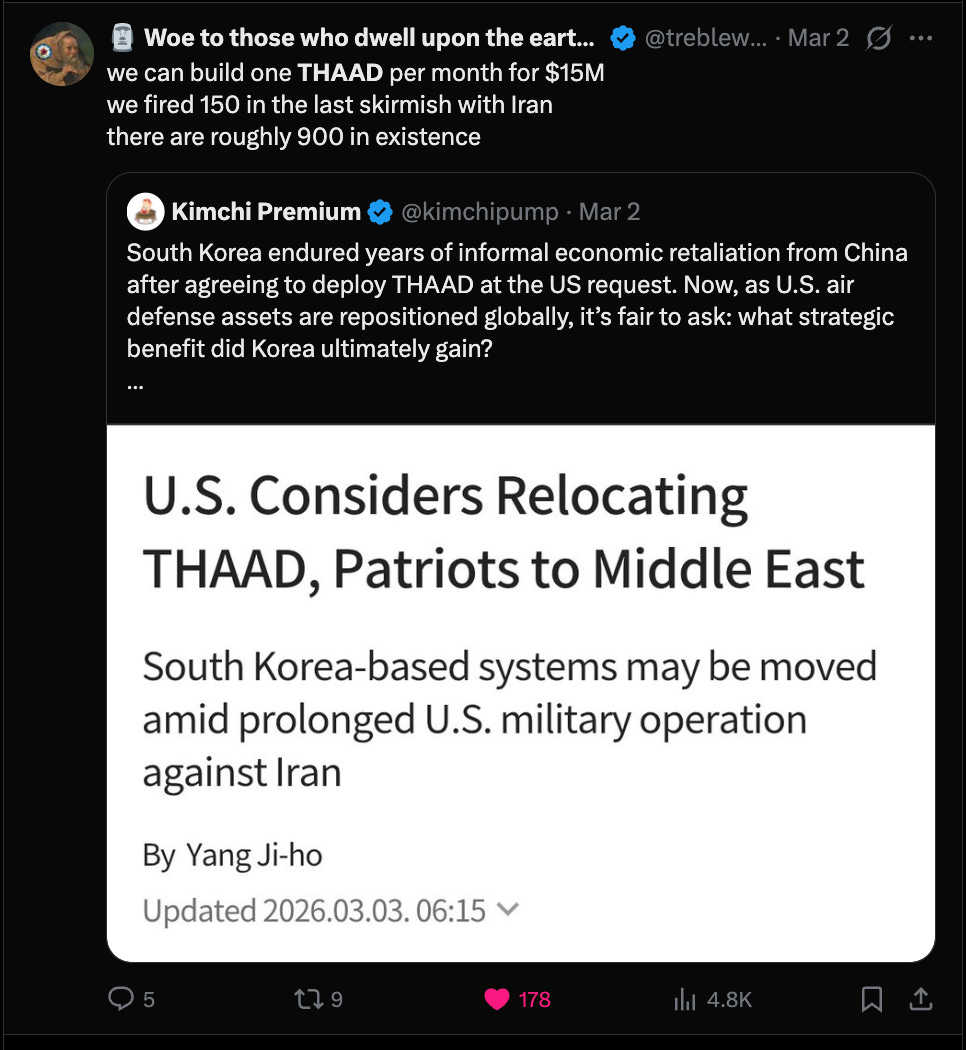
Meanwhile, the cost calculus for American interceptors is devastating. The US burned through over 800 Patriot anti-ballistic missiles in just five days, more than the entire Russian-Ukrainian War consumed over three years. Each PAC-3 interceptor costs $3.7 million; each THAAD interceptor runs $12.7 million.
The US has expended roughly 14% of its entire THAAD stockpile, which would take three to eight years to replenish at current production rates. Iran’s Shahed drones cost somewhere between $20,000 and $50,000 each and can be mass-produced. The math is ugly: America is spending $12.7 million to shoot down a $35,000 drone. Four THAAD radar systems, at $500 million each, have already been destroyed.
The Pentagon’s cost for the war hit $18 billion by March 19th, with an additional $200 billion requested. The Strait remains closed.
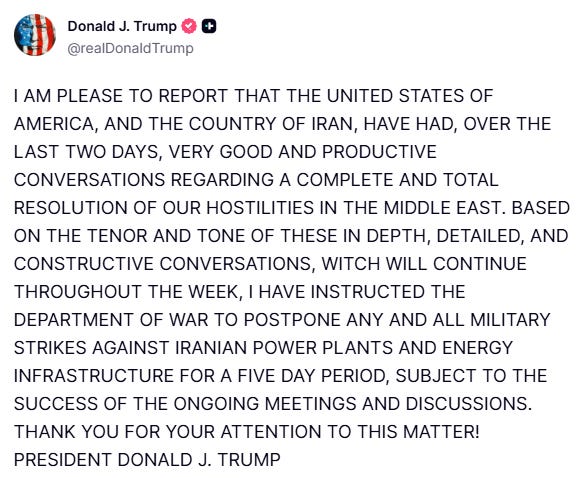
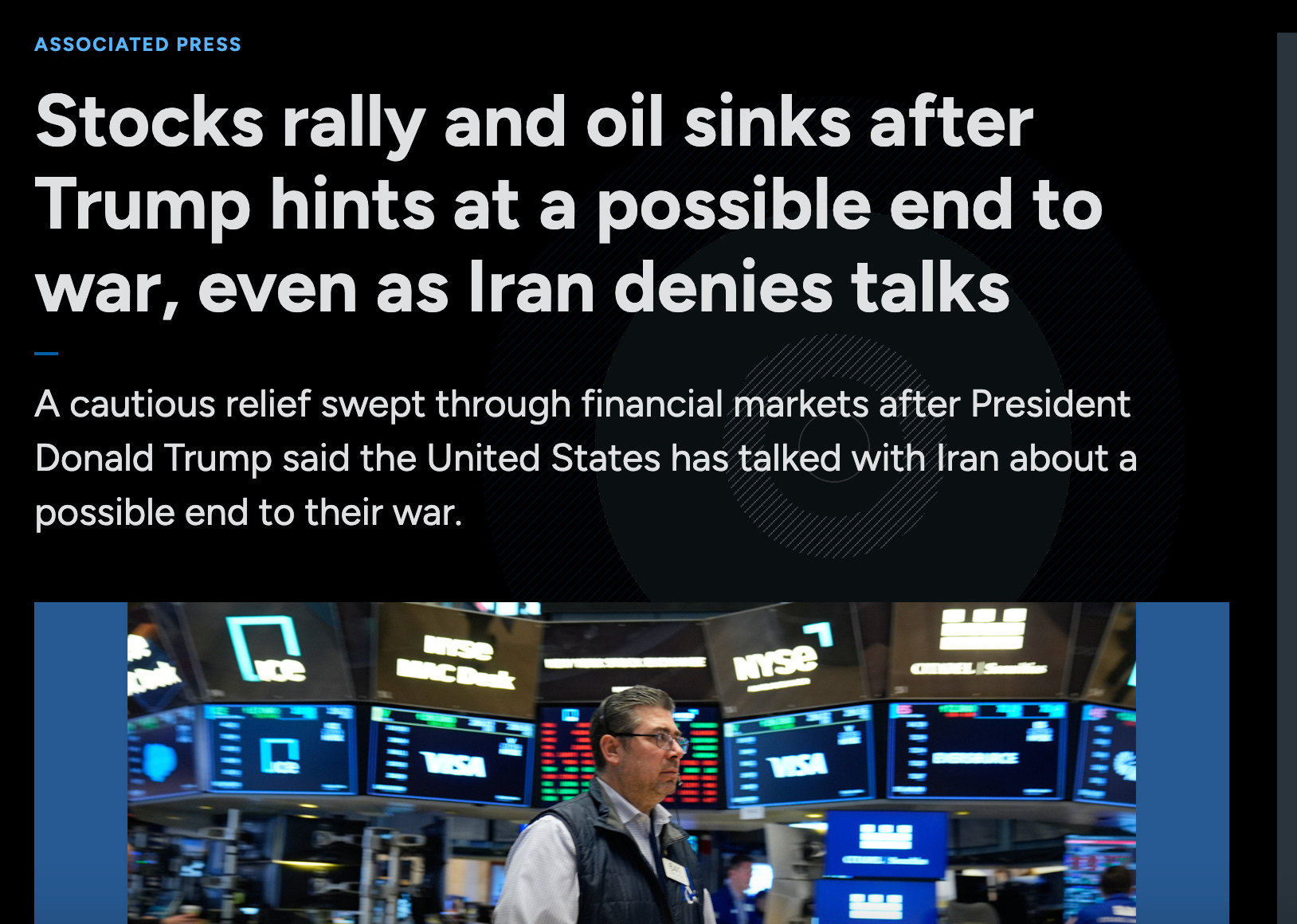
Trump hinted at “winding down” military operations on Friday, posting on Truth Social that the US and Iran had productive conversations and postponing strikes on Iranian power plants for five days. Iran’s Foreign Ministry immediately countered that there had been “no dialogue between Tehran and Washington,” calling Trump’s comments an attempt to “reduce energy prices and buy time.”
The problem is structural. Air power alone cannot reopen the Strait of Hormuz. Iran has spent years preparing for exactly this scenario, layering asymmetric defenses along its coastline: the IRGC maintains over 1,000 fast boats (some unmanned and packed with explosives), plus sea mines, cruise missiles, and drone swarms launched from mountainous terrain overlooking the water. “They have been planning for this for decades,” said Jason Campbell of the Middle East Institute. “Iran is masterful at asymmetric warfare.”
Which is why the Pentagon has been quietly drawing up ground invasion plans, even as Trump publicly denies any intention to deploy troops. CBS News reported that detailed plans for deploying the 82nd Airborne Division are underway, including discussions on how to detain Iranian soldiers and where to hold them. The division canceled a headquarters training exercise at Fort Liberty earlier this month, keeping the unit’s command element on standby.

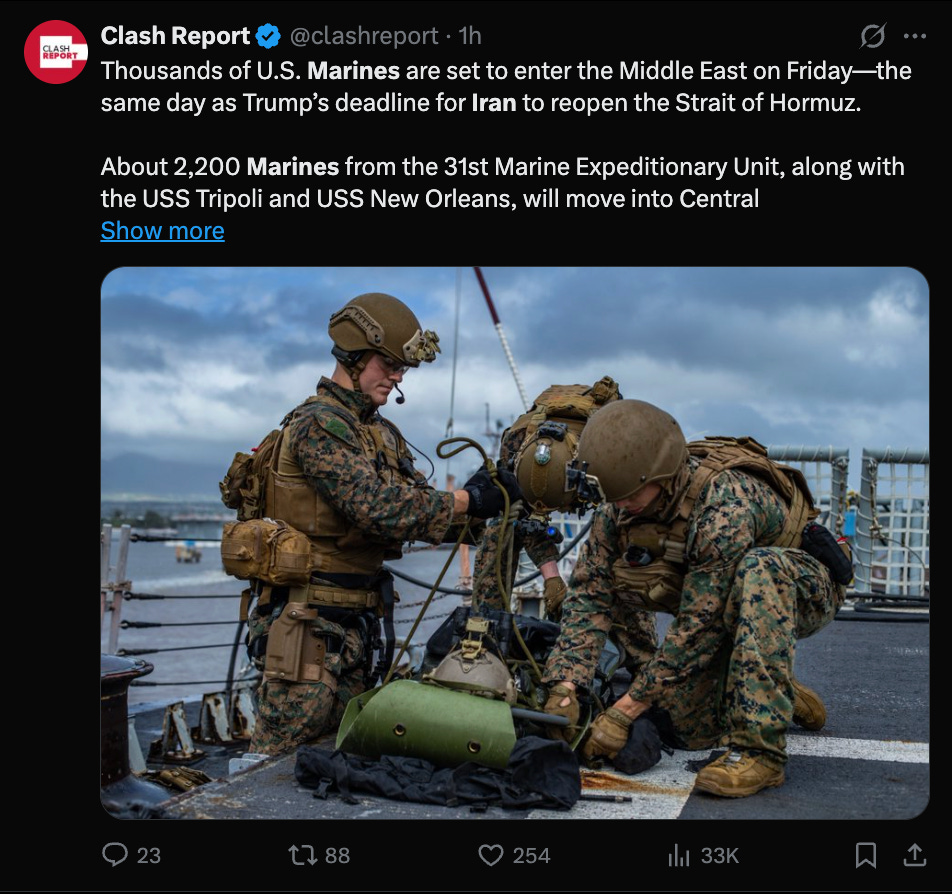
The USS Boxer, carrying 2,500 Marines, left San Diego for the Persian Gulf last week. The USS Tripoli, carrying the 31st Marine Expeditionary Unit, is already steaming toward the Gulf. Two carrier strike groups are on station. Options reportedly include seizing Iran’s coastal islands, occupying or blockading Kharg Island (which handles 90% of Iran’s crude exports), and even sending forces to retrieve Iran’s enriched uranium stockpile.
The US cannot reopen the strait from the air, and the economic pressure to reopen it is mounting by the day. Every week the strait stays closed costs the global economy tens of billions. Ground troops are no longer a question of if, but when and how.
Right now, the crisis is clear- twenty million barrels of oil per day cannot transit the Strait. That’s not just crude; it’s the feedstock for an enormous downstream chain. Sulfates, ammonia, and urea (the backbone of global fertilizer production) depend on natural gas and petroleum inputs that flow through Hormuz. The Ras Laffan LNG damage alone will take years to repair, and that facility supplied a fifth of global LNG. Saudi Arabia has been cutting crude exports to Asia for a second consecutive month because they physically cannot ship the oil.
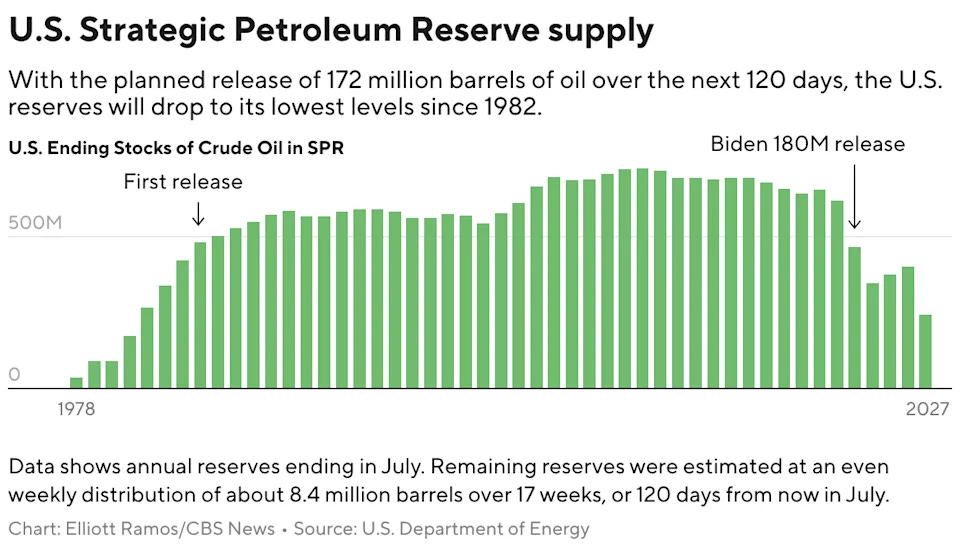
Brent crude hit $126 per barrel at its peak and currently hovers above $108. US gasoline is approaching $4 per gallon. The IEA released 400 million barrels from strategic petroleum reserves across 32 member countries; at global consumption of 105 million barrels per day, that covers roughly four days. The US Strategic Petroleum Reserve held 415 million barrels as of mid-February, with a maximum drawdown capacity of 4.4 million barrels per day. It’s a bandaid on an arterial bleed.
The IEA’s head, Fatih Birol, said on Monday that the situation is “very severe” and worse than both 1970s energy crises combined.
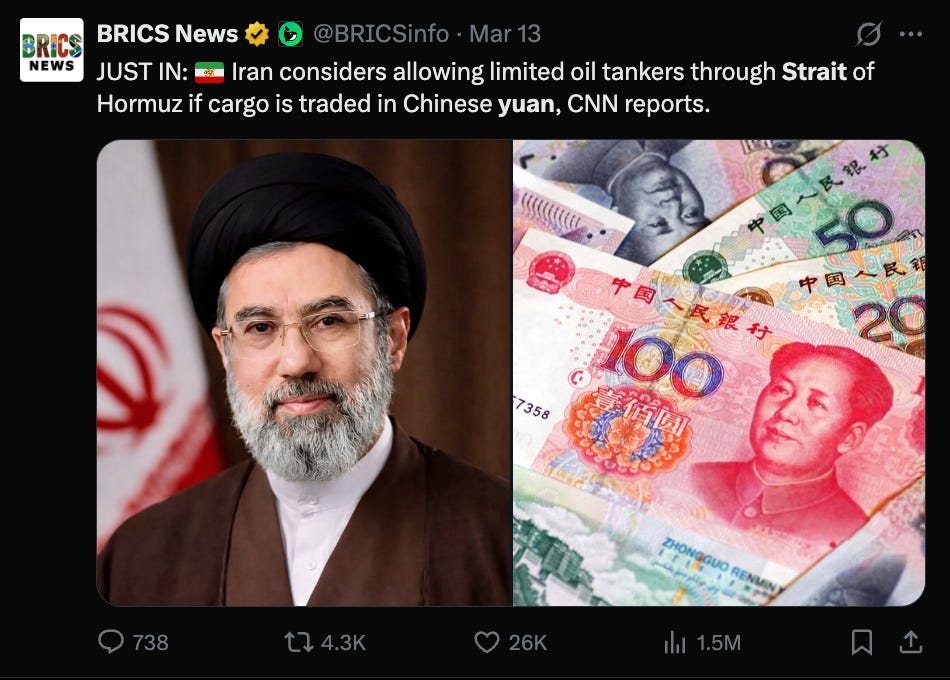
And here’s where it gets geopolitically fascinating. Iran isn’t blocking everyone equally. Since February 28th, at least 11.7 million barrels of Iranian crude have transited the strait to China under IRGC protection. Chinese-flagged ships can pass. A senior Iranian official told CNN that Tehran is considering opening the strait to limited tanker traffic, but only if the cargo is priced in Chinese yuan. Not dollars. Iran is using the Strait as a currency weapon: a direct assault on the petrodollar system at the most vulnerable chokepoint on earth.
Pakistan, India, and Turkey have each individually negotiated passage through the strait. A Pakistani tanker crossed with Iranian permission. India has gotten two LPG carriers through, but 22 Indian vessels remain stranded. Countries are essentially paying tribute to Iran for the right to access their own energy imports. One ship reportedly paid $2 million to use Iran’s self-declared shipping channel north of Larak Island.
So why is gold cratering during the most bullish macro backdrop of the last half century?
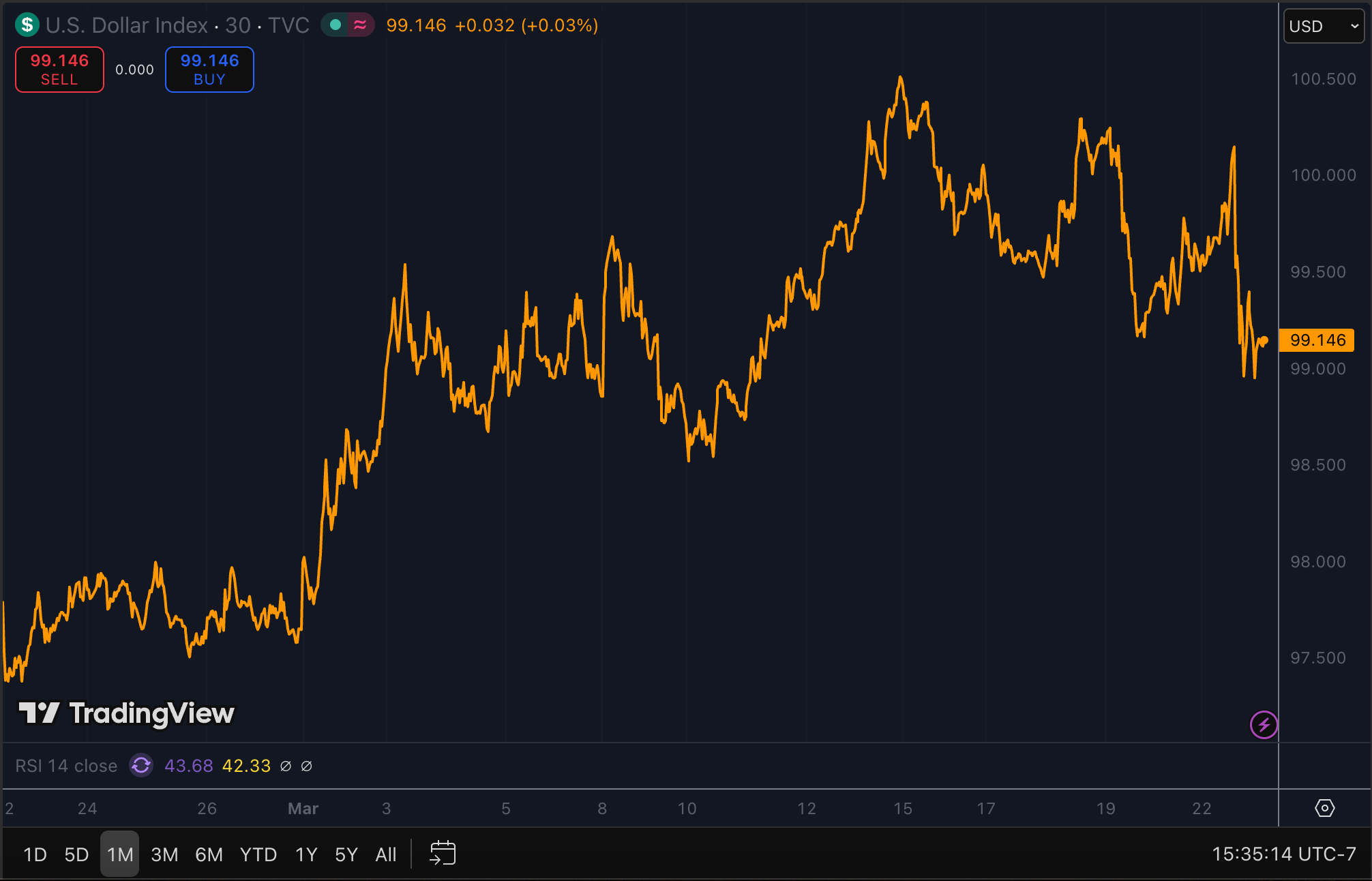
Start with the dollar. The DXY has pushed past the 100 mark, and it’s doing what a strong dollar always does to commodities priced against it. This is the Dollar Milkshake in action: global capital rushing into greenbacks for safety, which crushes gold for every non-American buyer. Central banks in emerging markets are scrambling to source dollar liquidity to pay for now-wildly-expensive energy imports, and they’re selling whatever is liquid to get it.
On top of the dollar squeeze, leveraged liquidation is gutting the futures market. After a historic run (gold up 66% in 2025, silver up 135%), paper markets were loaded with momentum longs. When global equities crashed (the South Korean KOSPI dropped 12% in one session), margin calls hit every asset class simultaneously.
Gold is the most liquid thing in a portfolio that isn’t cash. As Iain Barnes, CIO at Netwealth, told CNBC: “Financial, rather than fundamental investors are the marginal buyers of gold and we see them reducing risk across the board.”
But the factor nobody is talking about matters most here: the war is hitting the biggest gold holders in the region directly.
The Gulf states are among the world’s largest holders of physical gold, both through sovereign wealth funds and through the vast private wealth of their citizens. As I detailed above, these countries are now under direct missile and drone attack. Airports in Kuwait and Abu Dhabi have been closed or restricted. Iran’s new Supreme Leader, Mojtaba Khamenei (son of the assassinated Ali Khamenei), has pledged to continue and the new leadership is, by every indication, more hardline than the old.
When your country is being hit by ballistic missiles and your airports are intermittently closed, you sell what you can to get capital offshore. You don’t sell your real estate portfolio or your private equity stakes in a week; you sell your metals positions, your ETF holdings, your futures contracts. That’s where the selling pressure is coming from: regional capital flight from wealthy Gulf investors who need liquidity now.
The Fed, meanwhile, held rates steady at its most recent meeting, citing “uncertain” impacts from the conflict. Inflation expectations have ticked higher with oil above $100. Kevin Warsh, the new Fed Chair, has signaled a hawkish “Sound Money” doctrine that has markets pricing out rate cuts entirely.
But all this being said, the fundamental buy case for gold has not changed.
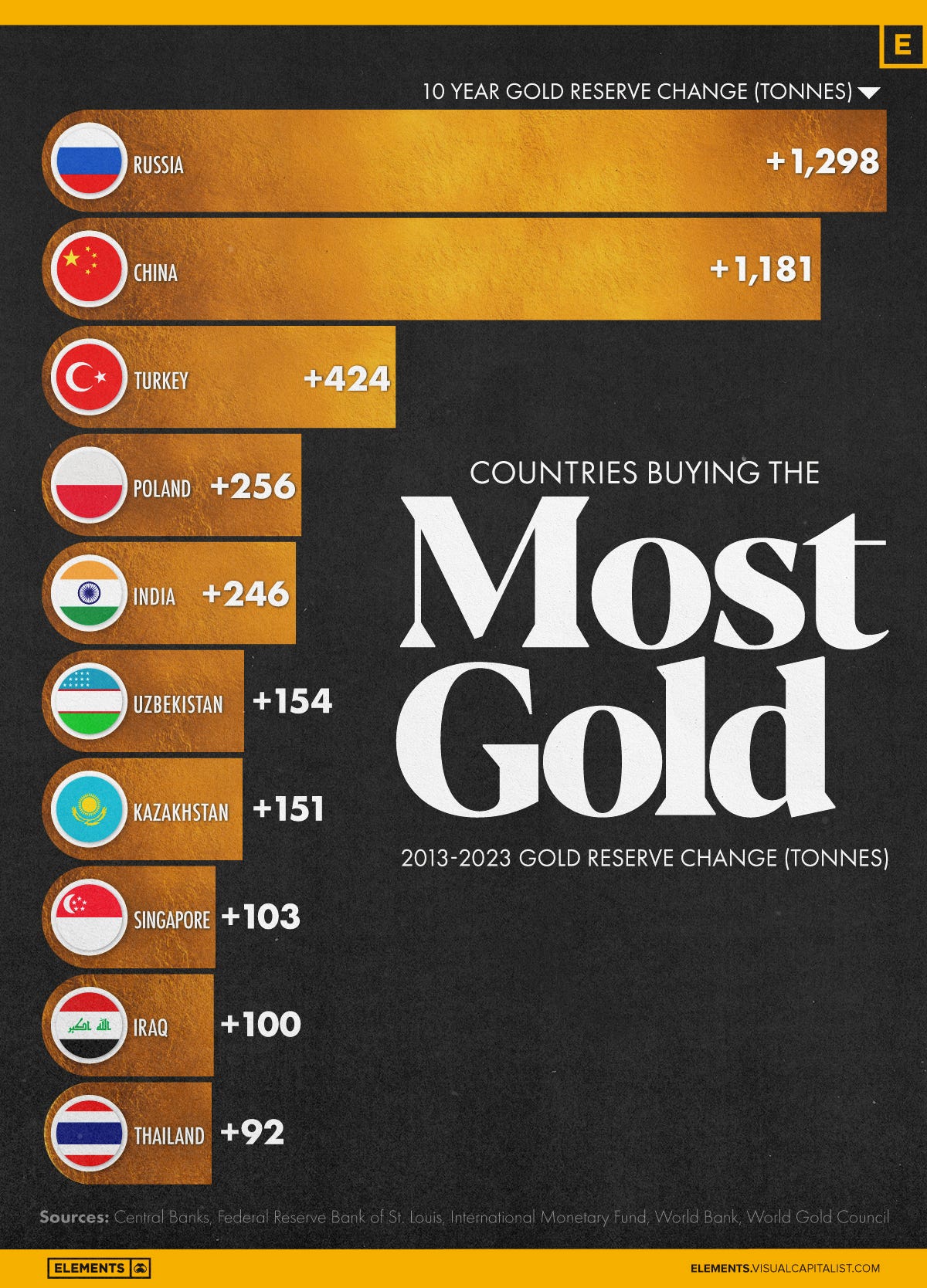
Central banks bought 1,045 metric tons in 2024, the third consecutive year above 1,000. JP Morgan’s 2026 target remains $6,300. Oil at $108 feeds into everything from transport costs to food prices, and gold will eventually reprice to reflect that. As I laid out in Gold Breaks and The Gold Endgame Begins, gold leads global liquidity waves by 12-18 months; the fiscal response to this crisis is coming whether the Fed admits it now or not.
SPONSOR:
Taking self-custody of your Bitcoin has never been more critical, and that’s exactly why the team at Blockstream has created the perfect solution: the Jade Plus hardware wallet.
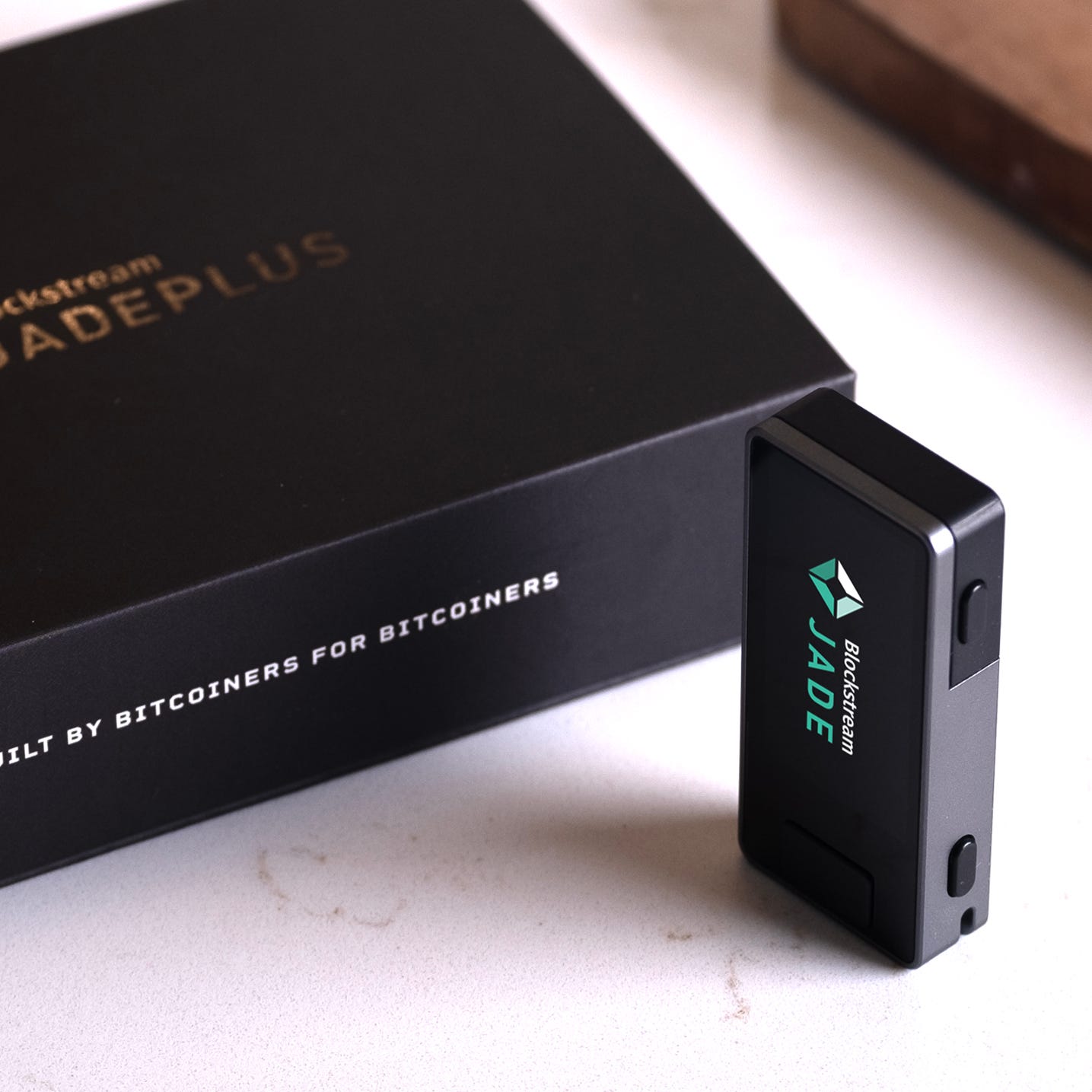
Use Code PB10 for 10% off your JadePlus Wallet! Click the Link here.
But in the near term, expect more pain. Trump’s “five day pause” hasn’t stopped Israeli strikes on Tehran, which continued even as he was posting about productive conversations. The 82nd Airborne is on standby. More Marines are steaming toward the Gulf. Every week the Strait stays closed, the dollar squeezes harder and forced liquidation of metals positions continues.
The Strait of Hormuz will reopen eventually. When it does, the inflationary damage from months of $100+ oil and disrupted fertilizer supply chains will already be baked in. The central bank response to that damage will be the same as it always is: print. And gold will reprice accordingly.
Hold your physical and stay away from leveraged paper.